How To Make Clothes – And Reasons You might Want To!
Making clothes is something that fills me with joy. Whether I’m designing and making my own using self drafted patterns, or sewing something up using another pattern designer’s pattern, knowing how to make clothes is one of the most rewarding skills that I know of.
In this post I’m going to cover the various reasons why you might want to make your own clothes as well as the different ways that you can make your own, because it doesn’t have to be from scratch!
Five Reasons For Making Your Own Clothes
When I recently asked my Instagram audience, some of the reasons given for making their own clothing were about having a unique style and better fit. Let’s look at some of the other reasons more closely.
1. Clothing That Is Unique
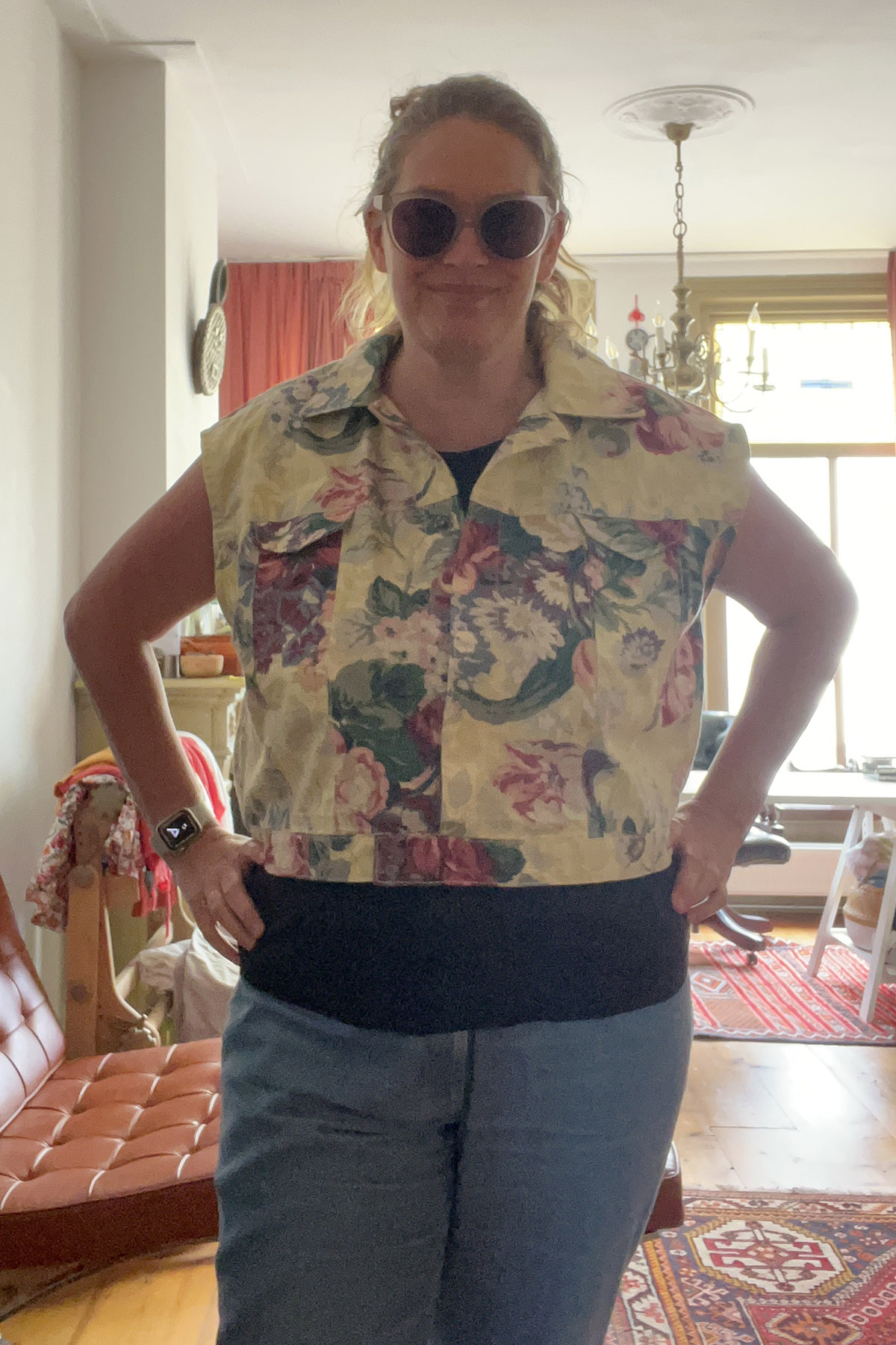
The most popular response from those who responded to my question was that knowing how to make clothes meant they could have a more unique look.
And I get that. It’s the reason I went to fashion school to study fashion design, because I could never find the clothing I wanted in my size or style.
Shopping in the same stores, wearing the same clothing as others, leaves me feeling like one of the crowd, rather than a unique person. Being able to make my own clothes gives me back that feeling of being a unique individual.
2. Clothing That Fits

How many times have you gone out for a day of shopping to stock up on new clothing, and returned home almost empty handed?
This has happened to me more times than I can remember, and it’s a feeling that always left me feeling defeated and strongly disliking both myself and my body.
The reality is that no mass produced clothing out there will fit each person perfectly. Neither will the higher end RTW clothing.
But making clothes ourselves? Based on our body measurements? Well, that dramatically increases our ‘success’ rate.
3. To Be More Sustainable
With a greater awareness of how exploitative the fashion industry is of both people and planet, many people would like to learn how to make their own clothes as a way of contributing less to fashion waste.
And there are some great ways to be more sustainable when it comes to making your own – I’ll cover them further down!
4. It’s Cheaper

I have to say that this was not what I expected to hear! Mostly because generally we know it is not cheaper to make your own clothes compared to the cost of buying them.
However, when you factor in the cost per wear for cheap poorly made clothing vs the costs of buying fabric and making your own clothes – and the way we generally wear our own makes for far longer than those last fashion items – it absolutely does make sense!
5. It’s Fun
The final reason people gave to me for learning how to make their own clothing was because it is fun. And that is so true!
Whether you’re just getting started with learning to sew, or you’ve been sewing for a while, but never yet made your own clothes, the whole process is definitely fun. Once you get over the anxiety of making mistakes of course!
4 Different Ways To Make Your Own Clothes
Now that we’ve covered the four main reasons, let’s look at the different ways to make your own clothes!
1. Altering: Modifying Existing Clothes For Better Fit
One of the easiest ways to start making your own clothes is to take a garment and alter it so that it fits you. I like to do this with thrift finds.
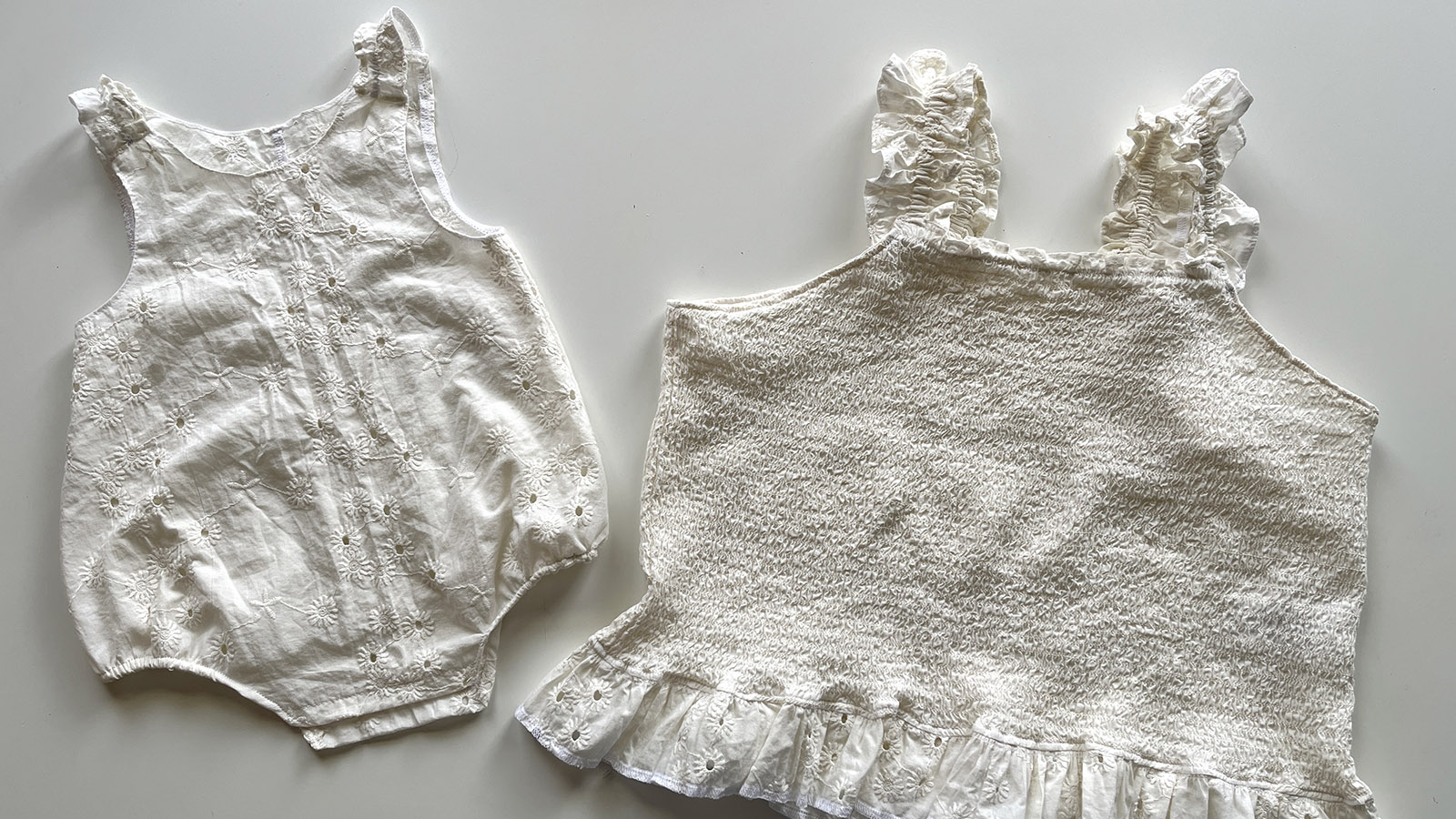
Nine common alterations that work are:
- Taking in any seams or adding darts to make items of clothing smaller.
- Letting out the seams (if there’s enough seam allowance available) or unpicking darts to make clothing bigger.
- Removing sleeves and adding a binding, straps or an armhole facing to finish the raw fabric edge.
- Cutting the sleeves so that they are shorter and more suited to your style.
- Re-hemming the legs of pants / trousers if more length is needed.
- Cutting some of the length away if a shorter length is needed.
- Adding a band to skirts, dresses or tops if they need lengthening.
- Changing the neckline for a more flattering fit.
- Changing the fastening method used.
That is a nice list of suggestions for altering clothes that are either new to you, or in your stash that could be reworked into something new and better fitting.
2. Refashioning: Making Clothes From Existing Garments / Textiles

The word refashion is relatively new when it comes to making clothes. Historically, ‘refashion’ means ‘remake’ and it can apply to anything.
When it comes to clothing, your refashion options are quite extensive! Here are just eleven ideas to get your creative juices going:
- Refashion a bed sheet into a dress.
- Refashion a curtain into a pair of pants / trousers.
- Refashion a skirt into shorts.
- Refashion shorts into a skirt.
- Refashion a dress into a blouse.
- Refashion a top into a purse.
- Refashion jeans into a bag.
- Refashion a sweater into a crop top.
- Refashion a t-shirt into period panties.
- Refashion brogues into mules.
- Refashion a coat into a corset.
The idea is that you take something and refashion it into something smaller. If you want to make something bigger from the piece of textiles (whether a garment or homeware item) then you’ll need to work with blocks of fabric, which can be quite a creative way to refashion something!
3. Patchworking: Making Clothing From Small Fabric Pieces

While refashioning was about transforming something into something else, patch working is about taking lots of pieces of fabric to make a bigger piece which you would then use as your ‘fabric’.
Collecting fabric scraps is a great way to build up your patch working stash – I have a box under my worktable for gathering small pieces of fabric that I can patch together.
While most people will cut out uniform pieces of fabric to follow a patchwork pattern, I find that there is charm in more irregular shapes and sizes, and that creating a large piece of fabric from them is more rewarding creatively.
It also helps to stop me obsessing on whether each piece is identical in size and shape to others.
4. Constructing: Making Clothes From Scratch
The final method for making clothes is to make them from scratch!
For this you’ll want fabric, a pattern and a selection of sewing tools.
Choosing A Pattern

You’ll want to start by choosing a pattern that is easy for you to follow, at your current skill level. If you’ve never followed a pattern before, check out my guide on how to read sewing patterns first. It will help you to understand the terms and symbols used in sewing patterns.
The sewing pattern should also be for the type of garment you want to make.
Consider whether you want it to be a casual, every day type of clothing, or something you may wear more infrequently for special occasions.
You also need to be aware of the fabric needed for the style. More on fabric choice in the next section!
If you don’t want to work with an existing sewing pattern, there are other options:
- Trace around an existing item of clothing
- Take apart an existing item of clothing to make a new pattern
- Draft patterns from scratch using your own measurements
- Learn to drape on a dress form
- Wing it. Try cutting different shapes and sewing them together to create a piece of clothing. In a more ‘zero waste’ style.
I have an existing article which covers five methods for making sewing patterns in more detail so check that out if commercial sewing patterns aren’t your thing.
Choosing Fabric
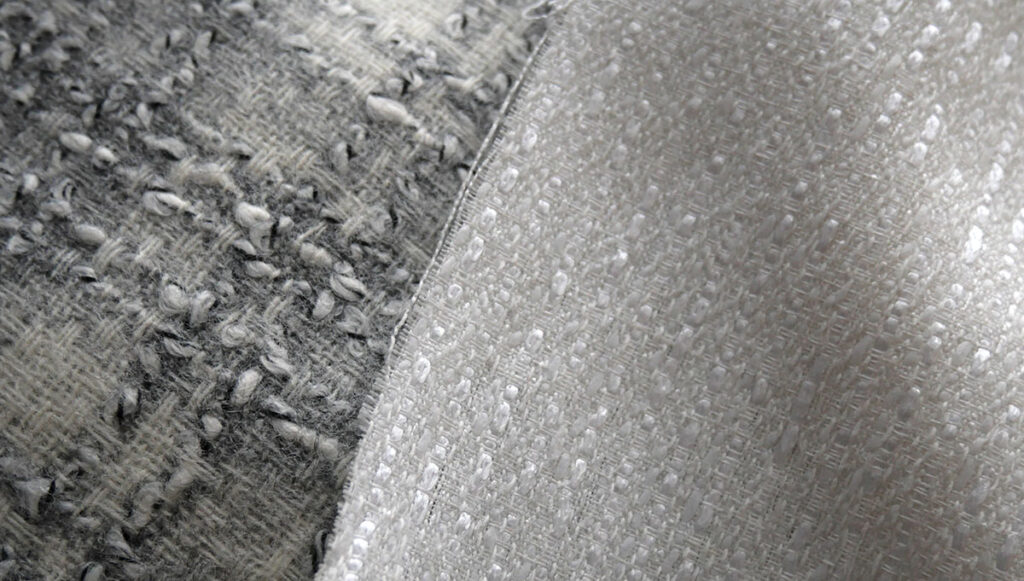
Always choose a fabric type that will work with the pattern you have selected. When you’re only just learning how to make clothes, you need to stick to the ‘rules’ – woven fabrics for woven patterns and knit fabrics for knit patterns.
Once you have some experience then you should definitely experiment, but to start with, try to use simple fabrics that are great for beginners that will also work with the pattern you have selected.
Choosing A Sewing Machine

There are many types of sewing machines but as a beginner to sewing clothes, you need just one – a standard home sewing machine! This one is the best beginner friendly sewing machine, I have it myself!
Buying a used sewing machine is a great way to dip your toe into the world of garment sewing before splurging on one with all the bells and whistles, but if you’re determined to buy a brand new one, check out my guide to buying a sewing machine first! It’ll help you choose the right machine for your needs!
The only other machine you might want to consider is a serger / overlocker. These are used for sewing knit fabrics and finishing the raw edges of woven fabrics too.
Sewing Tools
There are other sewing tools that you’ll also need. Check out my list of essential tools for sewing beginners before you go out on a buying spree, I’m sure you’ll have many of them lying around at home.
Start Sewing
Whichever method you’ve opted for to make your own clothes, you will get to the point where you need to start sewing.
Start by practising your stitching. Sew straight line and curved lines on scrap fabric to build up your confidence.
Think about finishing methods. A quick at a glance overview of four finishes which will be sufficient for a beginner:
- Hems can be sewn as single fold where fabric is folded over once to the wrong side and stitched into place. This is usually by about ¼” / 5mm or more!
- They can also be sewn as a double hem which is when we fold the fabric once towards the wrong side, and then again over itself, so there is no fabric edge visible. This is again by at least ¼” or 5mm for each turn. Some people will call this hem type a ‘rolled hem’. It isn’t.
- A ‘pin hem’ or ‘rolled hem’ is when we turn the fabric under by a very small amount. Usually about ⅛” / 3mm! And this is done twice to get a super neat finish.
- The standard seam is a plain or open seam. It’s the most basic seam that you will sew when making clothes, but the raw edge of the fabric can fray, so use a zigzag to finish the fabric edge, or an serger / overlocker.
You can learn more about types of hems and seam types or join my ‘Learn to Sew’ course when you’re ready to dive into more techniques.
And that’s it! You’re now equipped with our ways to make your own clothes. I use all of them regularly and love seeing all my hand sewn garments staring up at me when I go to get dressed each morning.
Which method will you try first? Let me know in the comments!