Sewing Patterns For Clothes: 5 Things You Need To Know as a Beginner
Sewing patterns for clothes are EVERYWHERE. From the big four – Butterwick, Simplicity, Vogue and McCalls – who have frequent new sewing patterns released, to the gazillion sewing patterns for clothes available from independent (Indie) designers too. And these Indie sewing pattern designers are located all over the world!
It can actually be insanely overwhelming looking for sewing patterns for clothes when there are just so many options available to you. I get it. It ends up being sewing pattern overload!
Make Your Own Sewing Patterns For Clothes
My way to simplify it was to say ‘Hey you… You keep looking for sewing patterns for clothes but are struggling to find the right ones. Why not check out my site and just create YOUR OWN sewing patterns?’
So that’s what I did. I created Creative Cutting Class for women (I don’t do menswear) to learn and develop their pattern making skills. Which means that you can then create your own sewing patterns for the clothes the YOU want to wear. Genius right?
Now, I should point out that joining the membership site would require you to have created your own basic blocks so that you can get the best out being a member. If you don’t have basic blocks, you can start by drafting a skirt block here and a female bodice block here!
Creating Basic Blocks
The reason I recommend creating these basic blocks first is that I find it amazing at increasing the understanding of HOW a pattern is created.
There is nothing quite like measuring yourself, drafting the patterns to those measurements and then seeing the ACTUAL two dimensional pattern of your body. With ease added of course! 😉
I wrote this post about pattern ease you’re not sure what it is.
You see, a clothing pattern is like an architectural blue print. You hire an architect to design your house, and a pattern maker to design your pattern, based upon your needs. So, how much fun would it be if you could do the pattern making for yourself? For you to be able to create your own sewing patterns for clothes?
Sewing Patterns For Clothes: Five Things To Know
As I mentioned in the intro to this post, there are a HUGE number of sewing patterns for clothes around. Lets break down the five things you need to know to choose wisely!
1. Paper Sewing Pattern Vs Printable Sewing Pattern
Your first choice is whether you opt for a printed paper sewing pattern or a downloadable PDF that you print and tape at home.
Paper Sewing Patterns
These are the old school style, the original way of buying sewing patterns, but are just as common today with Indie designers.
- What is great about paper sewing patterns is the ease. They come printed on a tissue paper that you can trace your size from, or cut out your size directly, and then pin to your body to check for fit. If you do cut the tissue though, you will have to buy a new pattern if your body size changes and you find you want to make it again.
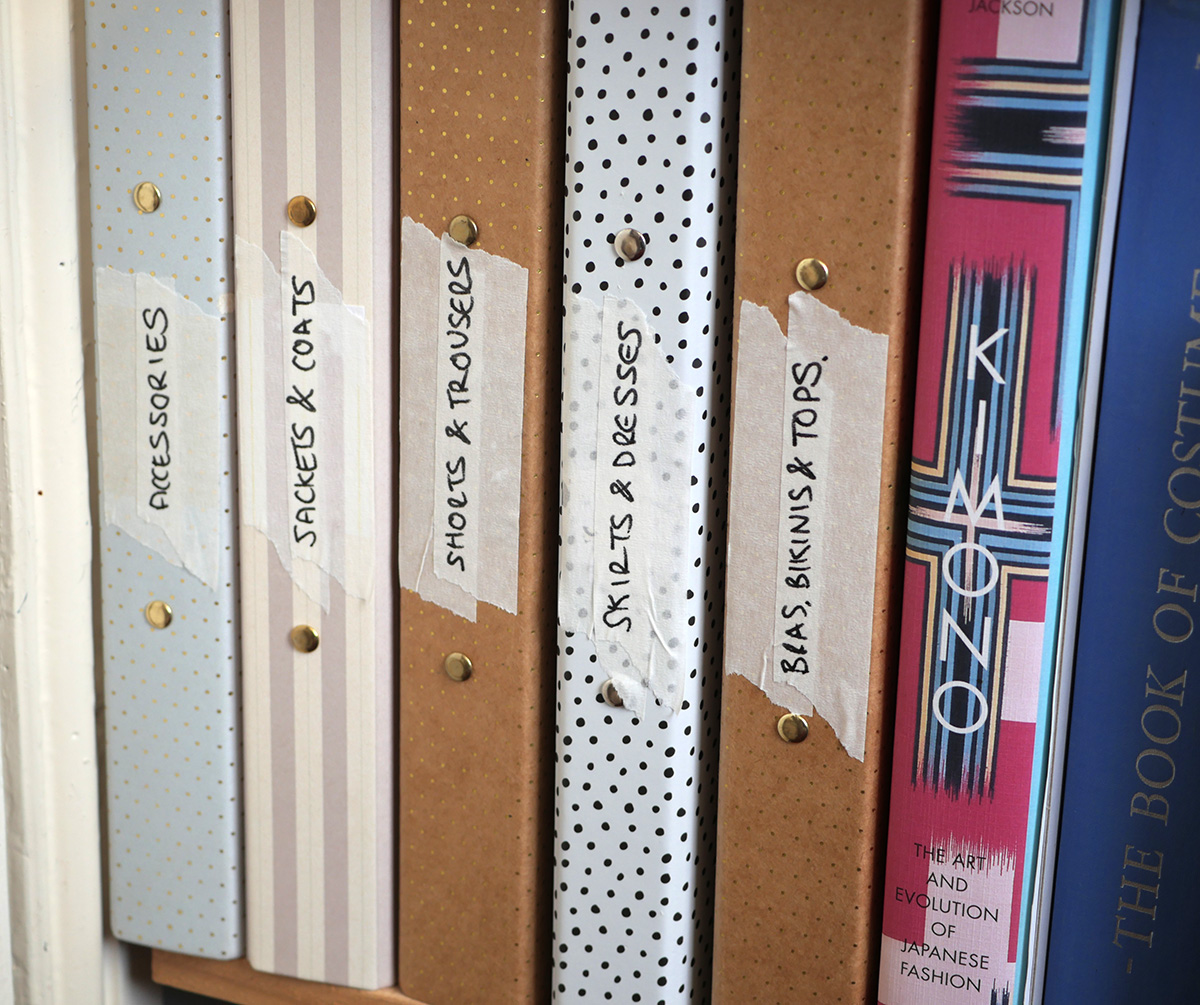
- They usually come in a nice sized envelope which makes it easy to store them for future reference – though trying to get the original tissue paper back INTO the envelope will be a battle! 😉
- The downside is that they are usually more pricey as you’re paying for the production costs of the sewing pattern for the sewing pattern brand.
- If you need help, I have a guide to reading sewing pattern symbols.
Printable Sewing Patterns
This is the more modern day version of sewing patterns for clothes. Once you have paid for the sewing pattern, you’ll get a link to download it. It is typically a PDF file which you can then print off and then assemble together.
Some sewing pattern brands have designed their patterns to be printed at A0 size at a print shop which is a lot easier!
- The speed of email delivery makes printable sewing patterns a firm favourite about the younger generations.
- It is a bit of a faff cutting and gluing the different pages together once you have printed them out.
- The printable sewing patterns are usually less pricey due to the immediate access of them.
- If you have never printed or assembled a PDF sewing pattern, do pop over to check out those posts!
Related Posts
- Printing PDF Sewing Patterns
- Printing PDF Patterns (video tutorial)
- Assembling the printed PDF pattern pages
2. Sewing Level
Another aspect to consider when thinking about sewing patterns for clothes is the sewing level.
- There are some sewing pattern brands that are designed for beginners only, so that your skills can be developed slowly from the ground up.
- There are more intermediate or advanced sewing pattern brands that help you to expand and build upon your existing skills set.
- There are ‘luxury’ pattern brands who work with more high end or avant grade designs for the home sewer who is looking for more experimental designs.
- There are ‘basics’ pattern brands who help you build a home sewn wardrobe of basic garments, great for the beginner or the sewer who is into simple styles and designs.
- There are also sewing pattern brands that ONLY design a specific area. Think lingerie, outerwear or a specific ‘era’.
3. Fabric Suitability
Some patterns will only work well with certain fabrics. If you have an amazing knit fabric in your stash that you really want to use, you need to check that you have selected a pattern that will utilise the qualities of that knit fabric.
The same applies to patterns designed for woven, or non-grains.
4. Sizing
Sizing is yet another important consideration when thinking about sewing patterns for clothes. The reason being is that sewing pattern companies work much like actual clothing companies; they have a certain customer in mind with the pattern they have designed, and so have graded the pattern for that body shape.
If you are curvier or taller or more petite than their target customer, you will find that the pattern may need adjusting for you to get a great fit.
5. Instructions
Usually this would cohere with the sewing level. If you are a beginner, you are likely to need more detailed instructions on how to create the garment whereas someone with more sewing experience is likely to just wing it for themselves.
That said, some beginner patterns don’t always have very detailed instructions if they are free.
There you have it. Five things you need to know when it comes to choosing sewing patterns for clothes.
If it still seems overwhelming and you think drafting your own patterns would be way more fun, way cooler and super creative, then pop here to start drafting your own basic blocks!
Learn to Sew Online Course
If you’re completely new to sewing, then why not join my online course for sewing beginners Learn to Sew? It is perfect for sewing beginners, and over the length of the course you’ll learn how to use a sewing machine, build confidence sewing a selection of fabrics and become well practiced in sewing seams, hems, and various fastenings too. The course also includes sewing patterns to help you build your skills!