A Guide To Sewing Machine Needle Sizes (And Its Parts)
Sewing machine needles are quite different from hand sewing needles, and their sizing is different too. The reason is because the needle on a sewing machine plays an important role between the top thread and the bobbin thread.
Learn more about what the different parts of a sewing machine needle are, as well as the different sewing machine needle sizes, so you can make a more informed choice next time you choose a needle for your machine!
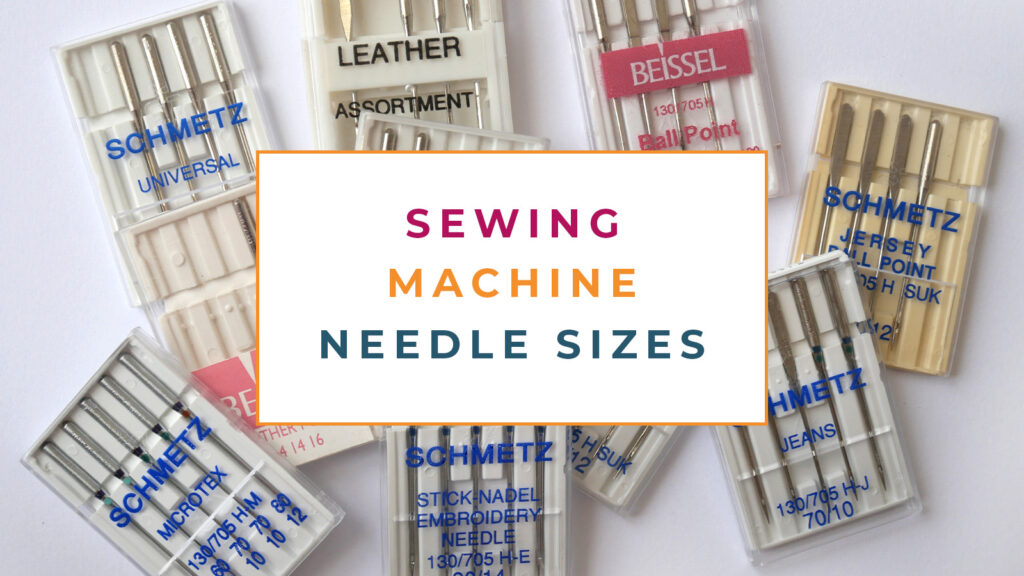
What Are The Parts Of A Sewing Machine Needle?
Don’t be fooled by the simplicity in the appearance of a sewing needle machine. While the tool is as basic as they come at first glance, a sewing machine needle has several parts that are integral to how it works.
In this guide I will identify each part of the sewing needle and give you a quick definition of the function it serves.
Ready? Let’s dive in!
Butt
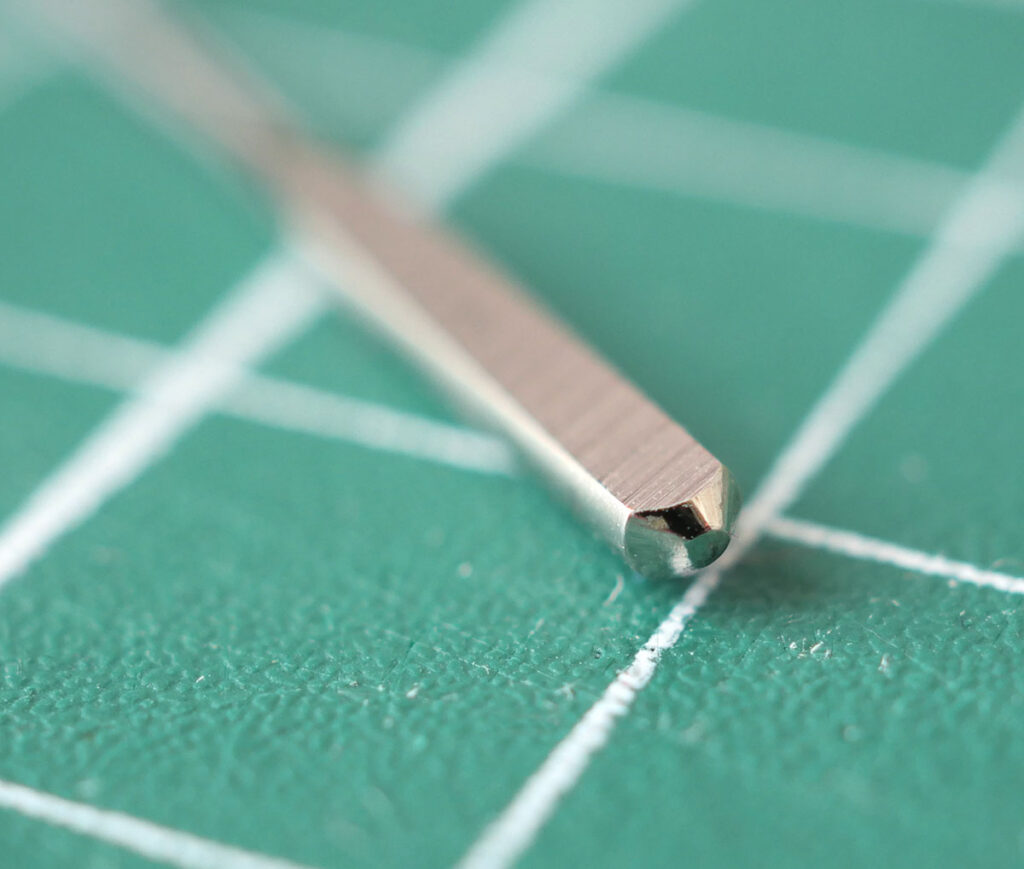
Let us start at the bottom part of the needle, aptly named the ‘butt’. This part of the needle is more expansive and it uses a predetermined shape. It is also one of the most significant parts of the needle, so attachment to the clamp or needle bar of the sewing machine will be relatively easy.
Shank

Right after the butt of the needle is the shank. The shank can either be cylindrical or flat on one side, and this depends on which type of sewing machine you are using.
As this part is also used to secure the needle to the needle bar, it is the widest part of the needle so that it can attach itself to the sewing machine perfectly.
Shoulder
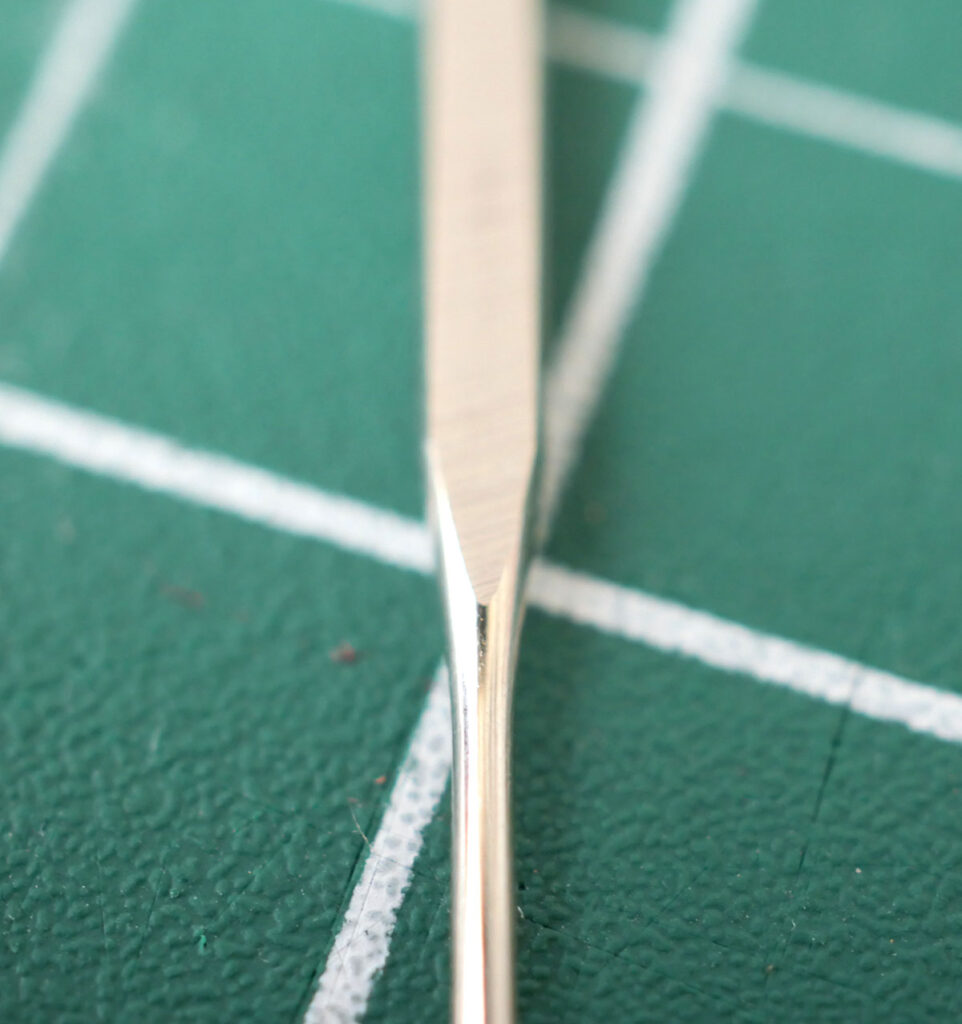
Yes, even needles have shoulders, but not in the traditional sense. Instead, the “shoulder” part of the needle is right between the shank and blade of the sewing machine needle.
The function of the shoulder is to reduce the friction generated by the needle by puncturing a broader hole in the fabric.
Blade
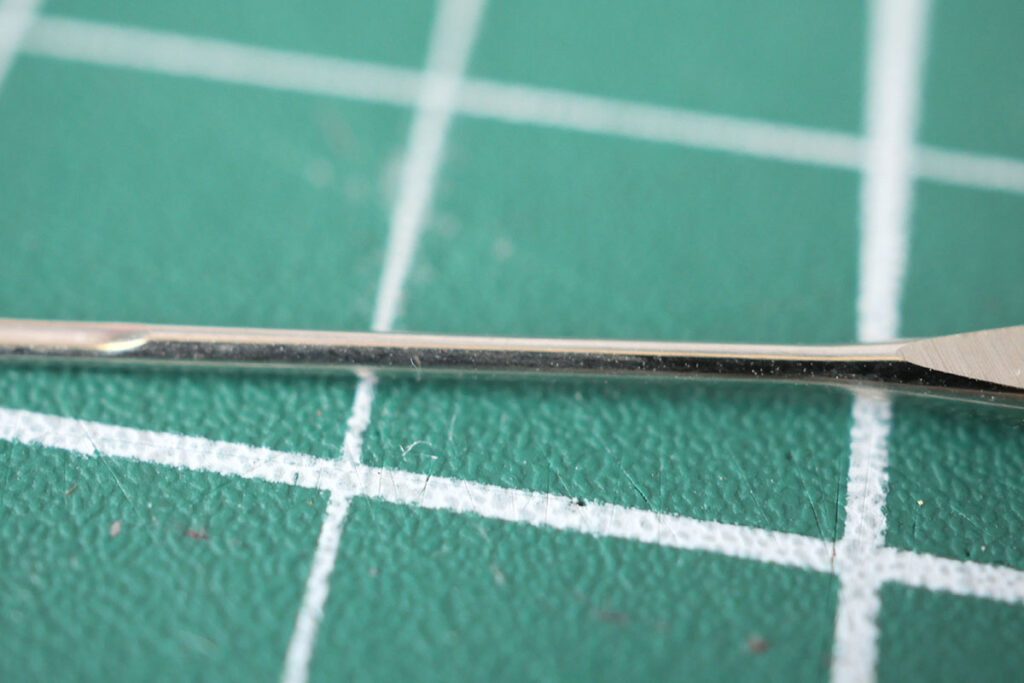
The longest part of the needle is called the blade, which covers the part between the shoulder and the needle eye. This part of the needle generates the most friction.
Long groove
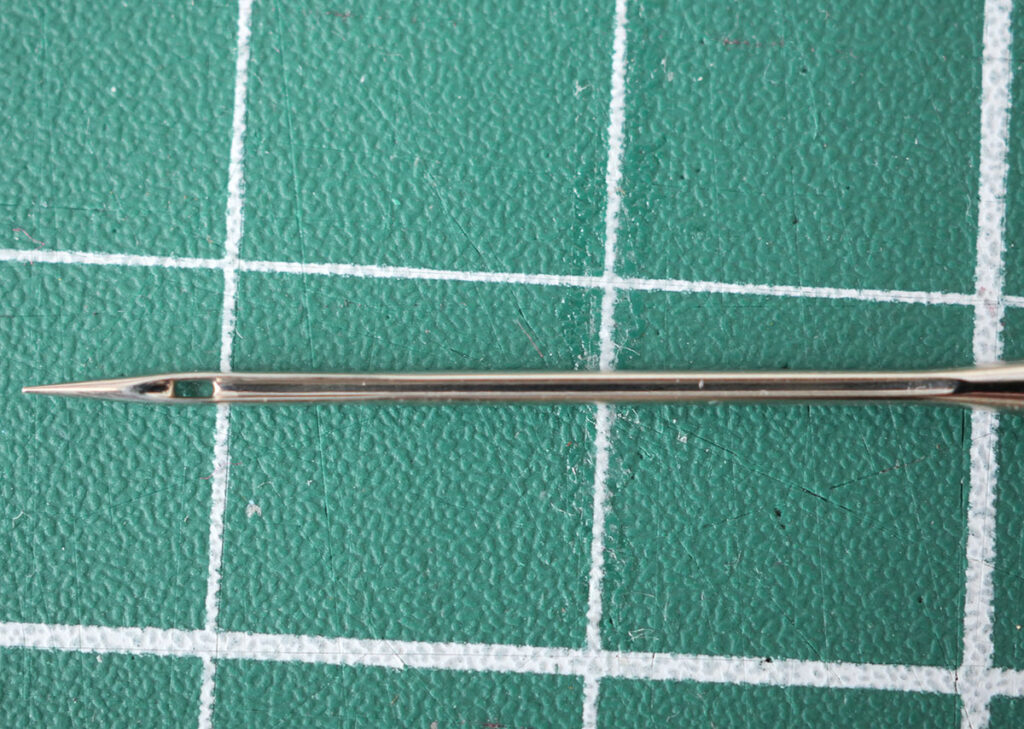
The long groove is the part that travels from the blade, shoulder, to the needle eye. The long groove can also reduce the friction generated by the needle when it is in use. The lower the friction caused, the longer the needle can last.
Short groove
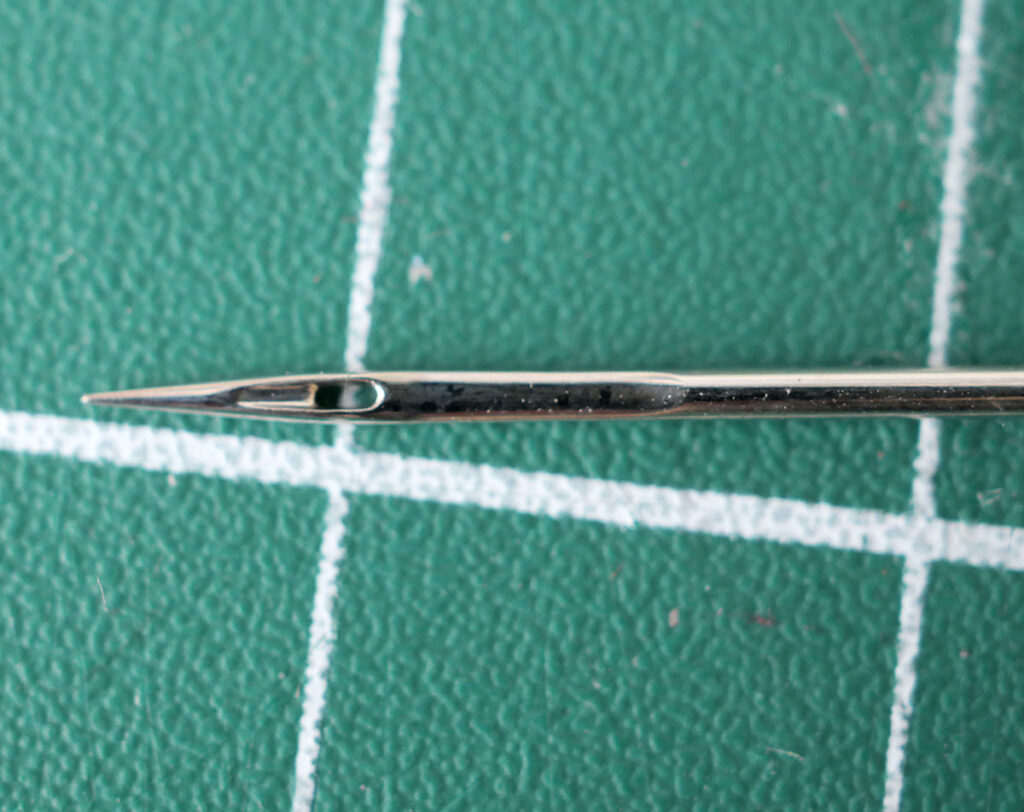
The short groove is located between the needle eye and tip. Specifically, it is placed right beside the needle where the “looper” is set.
Needle eye
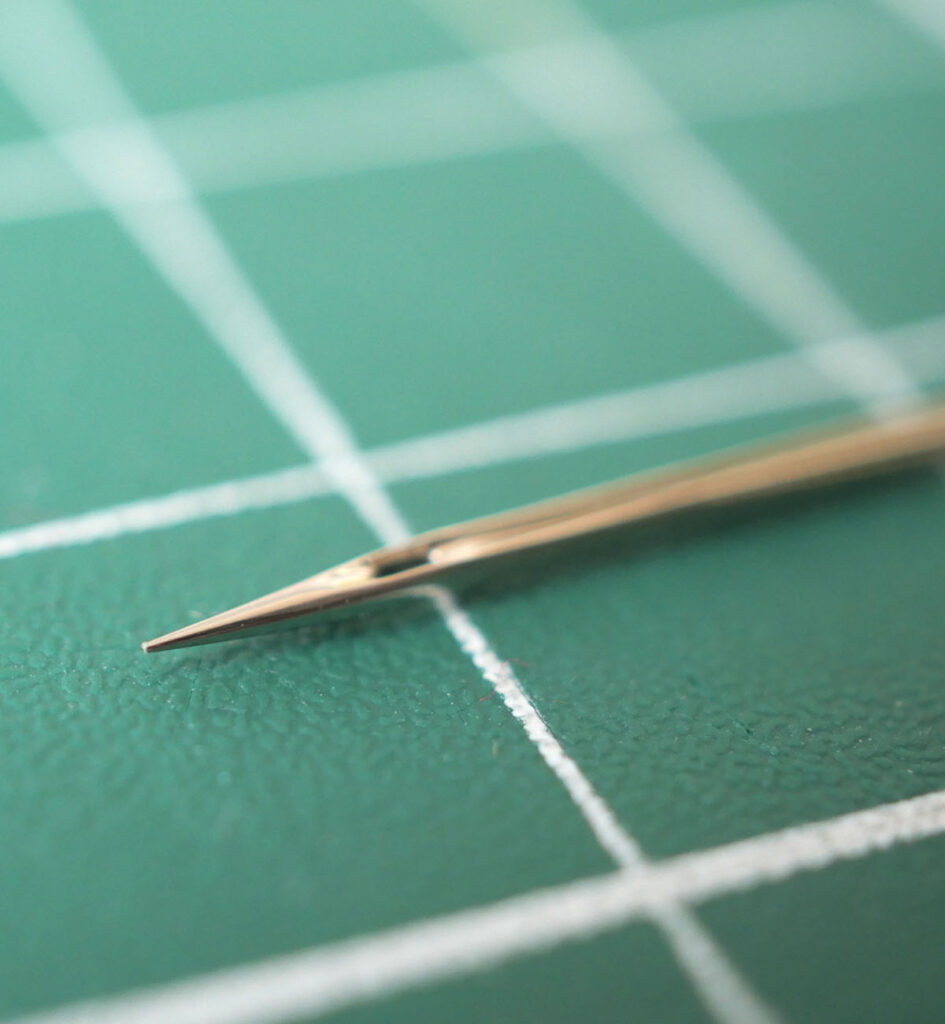
The needle eye is the hole that holds the thread, which also creates the loop. The inner edge of the needle eye needs to meet the standard requirements, as a defective one might damage and cut thread inadvertently.
Scarf
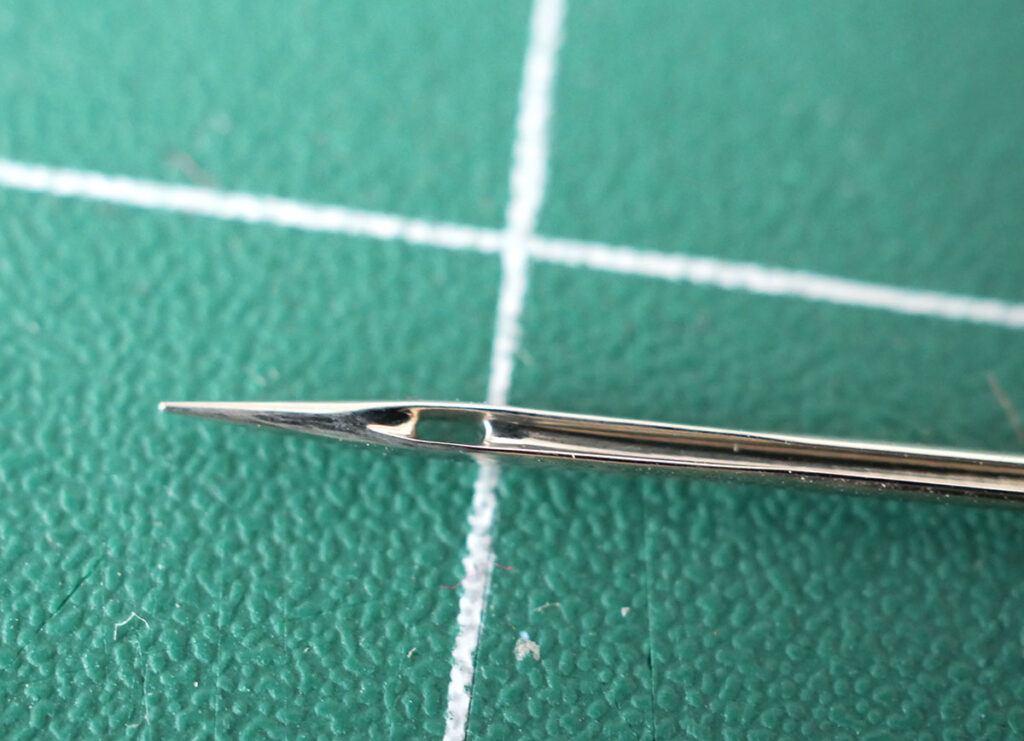
The scarf can be found near the needle eye. It is a curved slot designed to close the setting between the hook or looper and the needle.
Point
This part is pretty self-explanatory. The point is the needle’s tip and the part that penetrates the fabric.
Are Sewing Machine Sizes Based On Length Or Diameter?
As you might have noticed, sewing machine needles have different numbered labels. These represent the sizes of the needles, but what are these numbers based on? Is it based on the length or diameter of the needle?
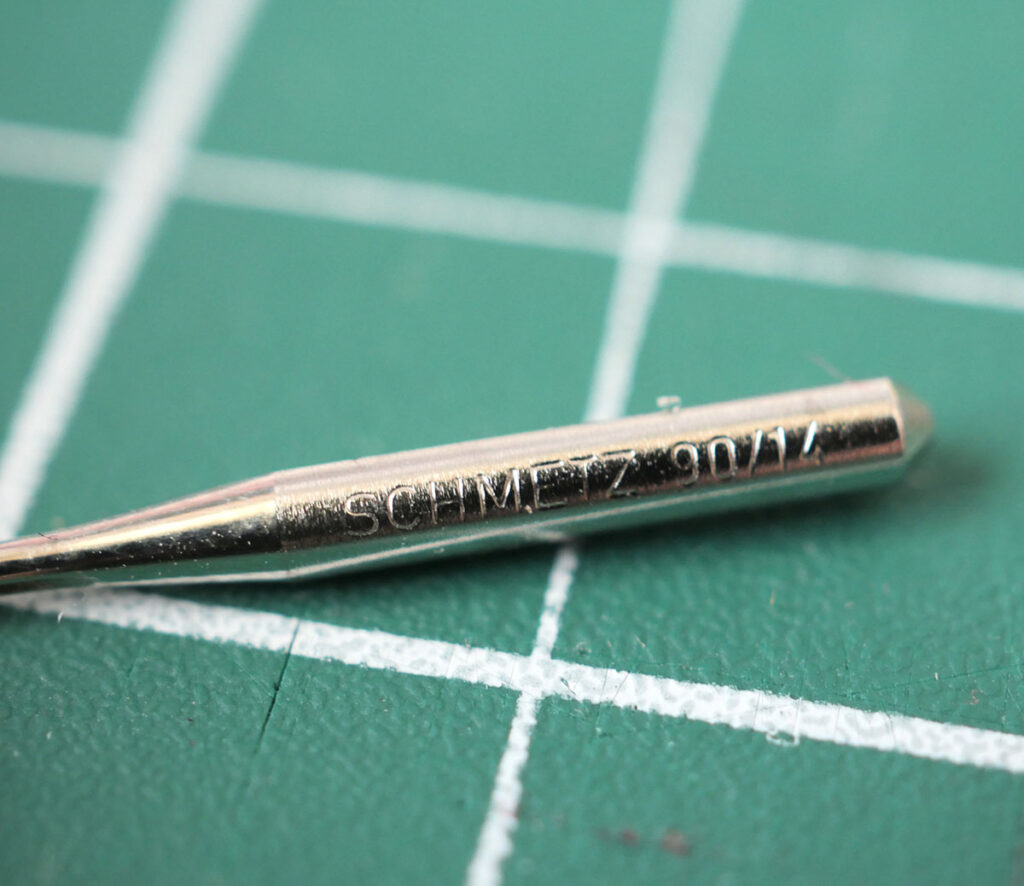
All sewing needles feature a number on their packaging and are also engraved on the needle itself. You will notice numbers such as 90 or 100. This is the size of the needle, and the size is based on the diameter or thickness of the needle’s shaft.
Take note that the sewing needle displays both American and European sizes. This might confuse newbies, but remember that the European number always comes first, then the American size. For example, 100/16 (European/American).
The European sizes also have a significantly easy-to-remember size and measurement correlation. So, for example, a size 100 needle has a 1mm diameter, a size 90 has a 0.9 mm, and so on. Pretty straightforward, right?
Why Do Sewing Machine Needles Come In Different Sizes?
The importance of the different sewing machine needle sizes all boils down to their capability to puncture fabrics. Smaller numbered sizes like 60 are designed for very thin and delicate fabrics. The thicker the material, the higher the size number required.
Here is a quick guide on fabric-to-needle size recommendations for your reference:
Lightweight fabric – 65/9 to 75/11
Medium-weight fabric – 75/11 to 90/14
Heavyweight fabric – 100/16
Extra heavyweight fabric – 110/18
To further clarify things, I will list some of the most commonly used fabrics and the recommended sewing machine needle size for each.
Cotton
The most common textile in the clothing industry, cotton, is classified as a medium-weight fabric. As such, you should use 75/11 to 90/14 needles when working on cotton fabrics.
Satin
Satin’s refined texture designates it as a lightweight fabric. Use 65/9 to 75/11 needles with a slightly less sharp point for best results. Also, satin is a rather delicate fabric and is susceptible to showing needle marks. I recommend using a new needle and practicing on a scrap before starting your project.
Denim
Heavyweight fabrics like denim need thicker needles to puncture through their thick hide properly. I recommend starting with 100/16 needles and switching to 110/18 if required. Oh, and be careful when working on denim with a standard sewing machine, as most won’t be able to handle this heavy fabric.
Leather
You will need the thickest sewing machine needle with leather, as it is the most challenging fabric to work with. Specific types of needles will also be required, such as leather and cutting-point needles. Also, you will need a heavy-duty machine for this job.
What Are The Different Sewing Machine Needle Sizes?
It is vital to grasp the sewing machine needle sizes to ensure that you choose the right one for the job and avoid any possible mechanical problems.
AsI stated earlier, most of the confusion beginners get in sewing needle size is that both European and American sizes are shown on the label. I already taught you how to read the label, which is super simple, as you have found out.
Below is a complete chart of the sewing machine needle sizes you will encounter in the market.
European/American Size Chart
Remember, here is a rule of thumb: the higher the number, the thicker the needle.
Can I Use Any Sewing Machine Needle In My Machine?
Yes. All domestic sewing machine needles are designed for universal use, so any type of needle will be compatible with all kinds of sewing machines. So whether you are using a Singer, Brother, or Janome sewing machine, you can purchase any needles at your local arts and crafts store, and they will be interchangeable with all modern sewing machine brands.
One important thing to remember is that standard sewing machine needles will not always be compatible with sergers, embroidery or quilting machines, so make sure to check in with the manufacturers instruction manual to make sure. They may also provide information on where you can purchase more speciality machine needles.
However, the most important detail here that you must always keep in mind: the needle size will depend on the fabric you are working on.
You need to use the correct sewing machine needle size for the job. Unfortunately, using the wrong needle size is one of the most common mistakes and the root of many sewing beginner problems. Using the wrong size for a specific type of fabric can lead to several issues that include difficulty in sewing, poor stitching quality, and even needle breakage.
Make sure to check for the recommended needle size on any sewing pattern you buy, but you can always check in with me in the comments below if you need some guidance!
For now, why not check out the selection of sewing tutorials for beginners I have – there’s sure to be something you’ve not yet seen!