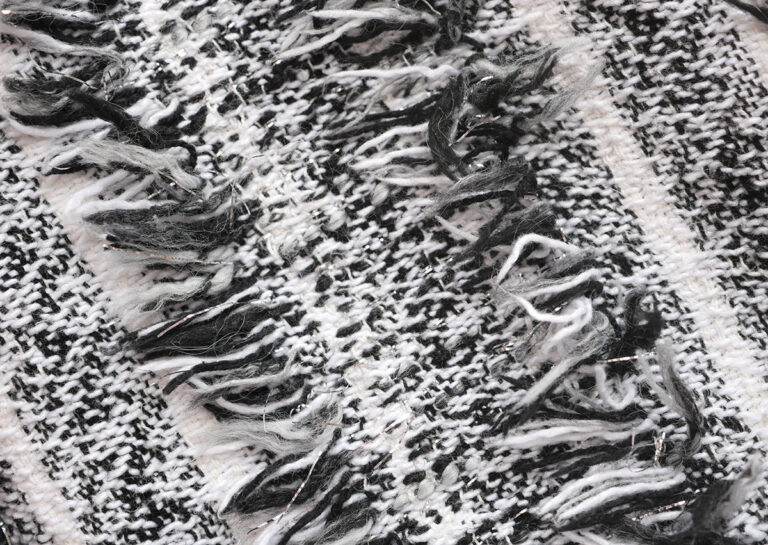
Using Cotton Slub Fabric In Your Clothing Projects!
In 2015 I showed a fashion collection at Brighton Fashion Week. As it was a sustainable fashion show, I wanted to use sustainably sourced fabrics, so I sourced some rather beautiful and organic cotton slub fabric to use as a key fabric throughout the collection.
As it is becoming a more popular type of cotton fabric, I thought it would be fun to look at what slub cotton fabric is and the ways that you can use it in your next garment sewing project!

What Slub Cotton Fabric Is…
Cotton slub fabric has an uneven texture and is often viewed as a ‘flawed fabric’ because of the ‘slubs’ that run through it. I personally love the look of cotton slub as it feels more natural and organic than more traditional and tightly woven cotton fabrics.
The term ‘slub’ can be used to describe other fabric types as well, not just cotton, but it depends on the fiber being used. The ‘slub’ is within the yarn that makes the fabric, so you see it more frequently in yarns that have been hand spun.
With more manufactured slub cotton, the slub is created using a very specific process that is applied to the cotton before it is woven, where cotton is run through a machine so that it twists in an uncontrolled manner to create those uneven slubs.
The Tiniest History Of Slubbed Fabrics
The origins of slub fabric date back to when the spinning of yarn was done by hand. The finished yarn would vary from one spinner to another – as is usual with humans – and when that yarn was hand woven it would result in a lovely slubby fabric.
Once the production of fabric was industrialized the slubs were actually viewed as defects due to the resulting fabric having an uneven texture that was visible – and therefore noticeable – when used.
Over time, those little ‘flaws’ have gained popularity because of the organic look to them.
How Slub Cotton Is Made

The process of creating slub fabric has remained relatively unchanged from its initial – and accidental – conception. You yourself can create this fabric type by knotting and twisting different parts of the cotton fiber as you’re spinning it, and then weaving – or even knitting! – those yarns into fabric.
The twists and knots will create the slub effect on the finished product, which are ‘imperfections’ in traditional textile making but are beloved elements of slub fabrics and is what makes them so sought-after.
The Different Types Of Slub Fabric
There are two different types of slub fabrics that you will find on the market, and each differs based on how they are made. The first is a slub jersey fabric which is knitted from a single slub yarn and the second is woven slub fabric.
When you create it from fibers that are not cotton, you’ll end up with a fabric that has different properties. Below are a few options!
Linen slub: this fabric has crisp and breathable properties.
Silk slub: since it is made from silk, this slub fabric is exceptionally smooth, with beautiful little ‘knots’ within. I made a gorgeous silk shirt a few years ago with a peace-silk that had a natural slub.
Rayon slub: rayon slub fabric is great for draping, and is also soft and breathable.
Wool slub: is durable, soft, and warm, perfect for the colder winter months.
Blend slub: is a sort of hybrid slub fabric. Its characteristics will depend on the types of fibers used in its construction.
Using Slub Cotton Fabric In Fashion

The use of slub cotton in fashion is varied, and largely depends on whether it is woven or knit fabric.
The knitted variety is often used in the manufacturing of t-shirts, as its unique texture can add a little something extra to what is otherwise a rather plain shirt.
I have personally found that the knitted cotton slub fabric I have used has been a little on the thinner side, so more suited to lighter weight knit tops but the texture from the slub can make a great design detail.
Finally, as well as t-shirts, knitted cotton slub can also be used for draped knit dresses, which make for breathable dress options in the warmer months.
When cotton slub is woven, it has a little more structure, though this does depend on how tight or loose the fabric is woven.
Below are two photos of woven cotton slub fabric, but at different thread counts, so that you can see the difference more clearly.
I’ve used woven cotton slub fabric to make skirts, dresses, tops and pants, so it is a very versatile fabric type.

Caring For Slub Cotton Fabric

The way that you care for slub cotton is no different than regular cotton fabric types – it will shrink when first washed, so make sure to factor the shrinkage into your calculations when buying fabric.
Here are some tips for preshrinking your fabric without washing it.
Air drying is always best. Not only is it kinder to your energy bill but it is also kinder to the environment. If you do need to machine dry it, then use a lower heat to prevent any further shrinking.
Finally, you can use a cotton setting on your iron when pressing cotton slub fabric, but remember that the distinct texture created in the manufacturing process is not something that can be ‘ironed out’ – enjoy it, and let me know in the comments what you end up making!
Are you inspired to buy some cotton slub now? If not, I have other fabric based blog posts including a guide to the different types of fabric used in sewing and this one on choosing fabrics for sewing clothes too!