
3 Best Sewing Books For Beginners To Sew Clothes
If you are a complete beginner when it comes to sewing, you can learn easily enough using all the free sewing tutorials on my blog, which is a great resource for newbies. But what if you’re going to be offline for a while? Or just like to have an actual physical book in your hands? That’s when a good sewing book really comes in handy.
I dragged out three of my favorites from my book shelf which are easily the best sewing books for beginners. Let’s take a look!
The Sewing Book by Alison Smith

Some of the links in this article are affiliate links. This means that I may receive a fee at no extra cost to you if you purchase a recommended product.
I have had this sewing reference book for years, and when I need a beginner friendly solution to a sewing technique, I pull this out. The version I have is from 2006 and is generally unavailable to buy, unless you have almost $100 for a second hand version, which is bonkers.
The new and updated version of The Sewing Book, which is a comprehensive guide, is as detailed and beautifully illustrated as the original version that I have and is definitely a winner for anyone wanting to learn how to sew. The techniques it covers include:
- Basic stitches
- Seams
- Interfacings and linings
- Darts, tucks and pleats
- Finishing necklines
- Collars
- Waistlines
- Sleeves and cuffs
- Hems
- Edges
- Fastenings
- Pockets
And towards the end there are more advanced techniques, for bespoke tailoring and couture dressmaking too.

While you will get the most from this book with a sewing machine, it is also a great book for those wanting to sew by hand, as the main content is step-by-step instructions for specific techniques, which can be done by machine or hand. There is so much information in this book that everyone starting their sewing journey should get one, even if just borrowing from your local library for a bit.
Sewing with Knitted Fabrics by Wendy Ward
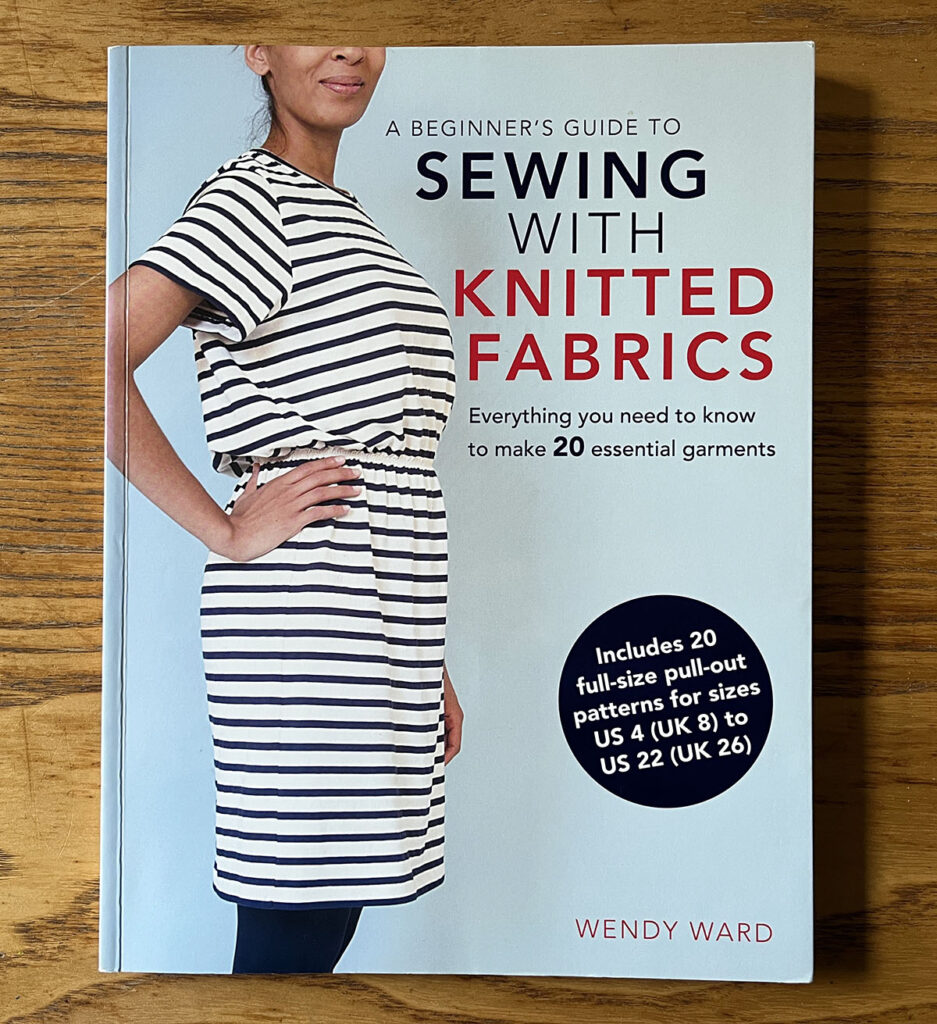
This next book is specifically for sewing knit fabrics, and it includes sewing patterns at the back of the book too. The simple projects in this book are suitable for sewing beginners and those more experienced who want to make their own clothes from knit fabrics. I rarely sew or wear knit fabrics, preferring woven fabrics instead, but this is a top favorite for when I am in need of inspiration for my own wardrobe.
The book projects include:
- Peak T Shirt
- Derwent Wide Leg Trousers
- Winners Tank
- Monsal Lounge Pants
- Kinder Cardigan
- Longshaw Skirt
Each of the projects is laid out clearly with clear photos of the finished project, measurements across 10 sizes, fabric choices and requirements, the lay plan for cutting your fabrics, and pages of illustrations and text to show the construction process.

And there is plenty of information in the techniques section earlier in the book, which acts as a quick reference guide before the projects. If you’ve never sewn with knitted fabrics before, then grab this excellent book before your first stitch and you’ll find it is one of your favorite sewing books in no time as well!
Sewing For Plus Sizes by Barbara Deckert
The last of my three favorite books for sewing beginners is one of my older books that I was gifted years ago, when I worked as a freelance pattern cutter for a new plus size womenswear brand in London. The owner had no idea how to sew or develop patterns, but wanted their own brand, and when I committed to working with them, this book showed up in my studio.

It is another book with lots of information, but rather than the nitty gritty of sewing techniques, it covers pattern alteration amongst other things:
- Components of design
- Various tools for plus size sewing
- Choosing fabrics
- Adjusting patterns for body size
- Adjusting patterns for figure variations
- Design modifications
- Basting for fittings

As you can see it is very different from a ‘traditional’ sewing book, yet it is full of simple tips and tricks to make anyone sewing for a plus sized body more confident in doing so.
An example on pages 14 and 15 covers proportions and how they can be used to advantage.
“If you are plus sizes, your neck Is as long as everyone else’s. However, it can appear to be shorter because of the proportion of length to width. Horizontal design lines can emphasize that.”
Barbara Deckert, Sewing for Plus Sizes, 2002
If you are plus size, and want to sew your own clothes, then having a copy of this book on your shelf is a no-brainer as it will really help you to think about your next project in a different way so that you are inspired and excited to sew more for yourself.
There are many other sewing books available, from Martha Stewart, Nancy Zieman and Tilly Walnes (Tilly & The Buttons) through to Bernadette Banner and Sarai Mitnick, but these three I’ve shared with you today are really, really good for sewing beginners who want a great starting point when learning to sew.
If you’re looking for some sewing pattern inspiration I have got you covered too!


What a fantastic website you’ve started and I am really interested in learning from you as I am just a beginner in sewing