
Polyester Vs Cotton: The Fiber Showdown!
I’ve covered many different fabric types here on my site, but the two most commonly known fabrics used in garment sewing are cotton and polyester. But what are they both and how do they compare when it comes to using these fibers as fabrics?
Let’s take a closer look at polyester vs cotton and how they really compare to each other!
Is Polyester A Natural Fiber?
Polyester is a material derived from petroleum, so it is not a natural fiber and is in fact technically referred to as a synthetic fabric. However, polyester has become one of the most used textiles in the world due to its cost-effective construction and excellent variety in terms of colors and designs.
Plant-based polyester fibers are also made from ethylene, a compound found in petroleum. Despite being categorized as plastic, some polyester is biodegradable. Yet, this variation is rare. As such, polyester production has become a significant factor concerning pollution, something environmentally conscious peeps should keep in mind.
It is common nowadays for certain polyester fabrics to feature a percentage of cotton fibers. What this combination does is increase durability as well as reduce shrinkage and wrinkling. You see this ‘polycotton’ blend used for bedding and children’s clothing, as it helps to keep the price down.
Another aspect of polyester fabric is its high resistance to natural elements, which makes it an obvious material choice for outdoor products and clothing.
Polyester VS Cotton – A Comparison
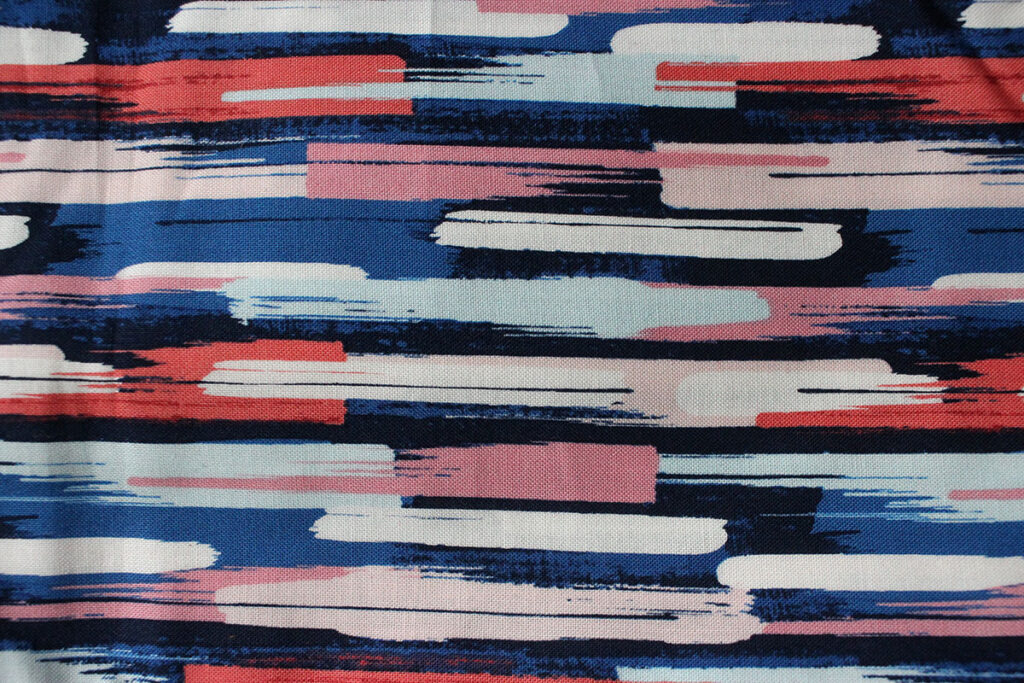
Polyester and cotton are going head to head in the textile manufacturing industry. As such, questions about which one offers the better advantages and benefits are a common topic of discussion.
To start, there is one notable difference between the two materials. Cotton is a natural and sustainable material harvested from cotton seeds – you can learn more about how cotton is made here! – while polyester is synthetically produced from oil products, namely petroleum.
The question of which of the two is better will boil down to the application. First, what do you need the fabric to deliver? Cotton fits the bill if you want comfort and breathability for the summer. If, however, you need something durable and water-resistant, polyester fabric may be your best bet.
Each of these popular fabrics has its advantages and disadvantages. It all comes down to personal preference and what your particular project requires.
Of course, if you need elements from both materials, why not go for the 50-50 blend? Poly-cotton blend fabrics bring the best of both worlds into one more affordable fabric.
Is Polyester More Comfortable To Wear Than Cotton?
We can compare the properties of each fabric, but for most people, the consensus when it comes to choosing a material is how comfortable it is to wear. With this in mind, we will break down the factors that make a fabric cozy.
Moisture Absorption
Cotton fabric is highly absorbent, while polyester is not. This factor will come into play during summer when sweat will be something that everyone outdoors has to contend with. Cotton can absorb sweat which is a godsend as perspiration on the skin can feel rather icky.
Alas, polyester is a poor fabric regarding its water-absorption capability. As a result, sweat will remain between the skin and the garment, which most will find uncomfortable. My other half has a waistcoat he wears for meetings and during the summer, his back is sodden as the polyester lining is unable to wick away the build up of moisture. Euw!
Static Electricity Buildup
Everyone hates getting that rather painful jolt of electricity out of nowhere during winter. Well, polyester clothing is susceptible to static buildup. Furthermore, the static electricity buildup increases when skin and hair rub on materials such as polyester. Add to the fact that polyester does not provide much in the way of breathability, and you have a perfect recipe for static electricity.
Skin-To-Fabric Interaction
How does the fabric feel on the skin? This particular aspect is easy to answer as cotton has always been one of the most comfortable fabrics in the industry, if not the most comfortable.
However, polyester has a significant disadvantage in this category, as its rigid structure can produce friction on the skin. There are also cases wherein a person gets rashes from polyester clothes due to an allergic reaction.
Aesthetics
We should also consider the psychological effect of the fabric’s appearance regarding the comfort it can deliver. In this regard, cotton clothing has become synonymous with comfort due to its soft texture.
So, is polyester more comfortable than cotton? Unfortunately, the answer is a resounding no. While polyester clothes are by no means uncomfortable to wear, they cannot stack up to cotton garments. Few can beat cotton fabric in this category.
Which Is More Environmentally Friendly?

Polyester is a synthetic material made from petroleum and is generally non-biodegradable. Standard polyester can last hundreds to thousands of years before it completely disintegrates. In contrast, organic cotton is derived from cotton seeds and is sustainable and biodegradable. Unfortunately, polyester fabric is not sustainable and is not environmentally friendly.
To go into further detail regarding the comparison between polyester and cotton fabrics, here are all the essential factors to consider before making a decision. Read on to find out which particular application, either polyester or cotton is best suited.
Breathability
In terms of breathability, cotton completely blows polyester out of the water due to the latter having a hydrophobic structure. As such, polyester clothes tend not to be breathable compared to cotton. That said, cotton is pure in moisture-wicking as it mainly absorbs water. So, it will take some time to dry once the cotton gets wet. Because of this downside, cotton is not the best option for those who live in cold climates.
This is where polyester fabrics outshine cotton, its moisture-wicking and ability to dry exceptionally fast. In addition, since polyester doesn’t absorb liquid, the water slides off the fabric’s surface. This capability also gives polyester clothes decent heat retention.
Care
Maintenance and how easy it is to clean will also factor into the decision-making process. When it comes to cleaning, polyester takes the lead as it is one of the easiest fabrics to clean, as it is pretty resilient to stains due to its water-wicking capability. On the other hand, cotton is highly absorbent, which translates to stains.
However, polyester is only partially-proof in this category. Oil stains can leave polyester fabrics in a pickle, and these types of stains can be almost impossible to remove from polyester garments altogether.
Durability
Polyester is not just a fabric utilized in clothing; it is also used for upholstery. Generally, polyester is more durable due to its construction and the fact that it is plastic. Polyester is sturdy and resistant to creases, water, and stains. Cotton is also durable in its own right, but its toughness will depend on the cotton fabric’s thickness.
In terms of longevity, polyester will undoubtedly last significantly longer. However, this comes at a price, as when disposal is concerned, polyester is far trickier to discard appropriately due to it being non-biodegradable.
Fabric Weight
In terms of weight, cotton is lighter, which is one of its strong points when it comes to its application in making clothes. On the other hand, polyester has a denser construction, making it heavier and more durable. However, it is interesting that polyester fiber weighs less than cotton fibers. This is because, in the weaving process, polyester will eventually exceed the cotton fabric’s weight.
Various types of cotton will weigh differently depending on how it will be used. For example, poplin and muslin are considered lightweight, while denim and some canvas types are considered heavier. Polyester is the same, with the decisive factor being the weave method implemented.
Softness
Cotton is a naturally soft material derived from a plant known for suppleness. In addition, cotton clothing is sought-after for the comfort it provides the wearer. However, please note that there are several varieties of cotton fabric whose softness varies greatly, such as denim which is coarser than usual lightweight cotton fabrics.
Polyester is flexible as it can be rigid or soft as cotton, depending on how the synthetic fiber is processed. While cotton will always take the lead regarding softness, polyester can imitate the texture enough to give the cotton fabric a run for its money.
Sustainability
As already stated, polyester is far from being an environmentally friendly material. It is non-biodegradable and not as sustainable as cotton, which comes from harvested cotton plants. Polyester may cause more harm than good to the environment in the long run if specific issues attributed to it are not addressed.
What Are The Main Disadvantages Of Polyester?

Polyester offers many benefits and advantages that are not present with other fabrics. However, it does have its bag of shortcomings. Here are some of the disadvantages of polyester fabrics:
- Low absorbency means dyeing will be difficult.
- Since it is plastic, exposure to high temperatures makes polyester susceptible to melting.
- Low breathability can cause discomfort.
- Susceptibility to static electricity buildup.
- It is not environmentally friendly.
What Is Polyester Cotton?
We have briefly touched on polycotton further up, but with the vast ins and outs of polyester and cotton, manufacturers decided to blend the two to mitigate these downsides.
Enter the polyester cotton blend. This fabric is a combination of cotton and polyester, taking the best characteristics of each and infusing it all into a hybrid material that is breathable like cotton but durable like polyester.
The properties of poly-cotton fabric include:
- Lightweight
- Soft
- Breathable
- Moisture-absorbent
It is also a material that is quite versatile in its application, as it can be used to make clothes, work overalls, undergarments, and bedding.
Many people love polyester when choosing fabrics to sew with because it is more affordable. Others prefer cotton fabrics because the fiber is natural, and it also feels nicer on the skin.
I myself avoid polyester as much as possible. I’ve been known to reject seemingly beautiful vintage items at the thrift store because I do not want to wear polyester – it makes me feel sticky and sweaty, and I’d rather have natural fibers in my stash.
Whether you love one or the other, you’ll have realized by now that there are advantages and disadvantages to both polyester and cotton, and ultimately, only you can decide which is best for your needs.
If you haven’t already seen it, I do have an article on how cotton fabric is made, another on natural vs synthetic vs man made fibers and another looking at whether polyester shrinks.



I live in the tropics. I avoid 100% cotton because it needs to be ironed, gets soaked with sweat, and I always spill something on my clothes. Linen is the same. I buy poly fabric because it’s quick to sew and clean, but dislike the big fossil footprint. Rayon is great for the drape and I don’t mind if it’s wrinkled, but sometimes, it’s too lightweight. Tencel and Lyocell are too expensive. So, Enjoyed your thorough analysis and I’ll try some cotton poly and see if it works out.