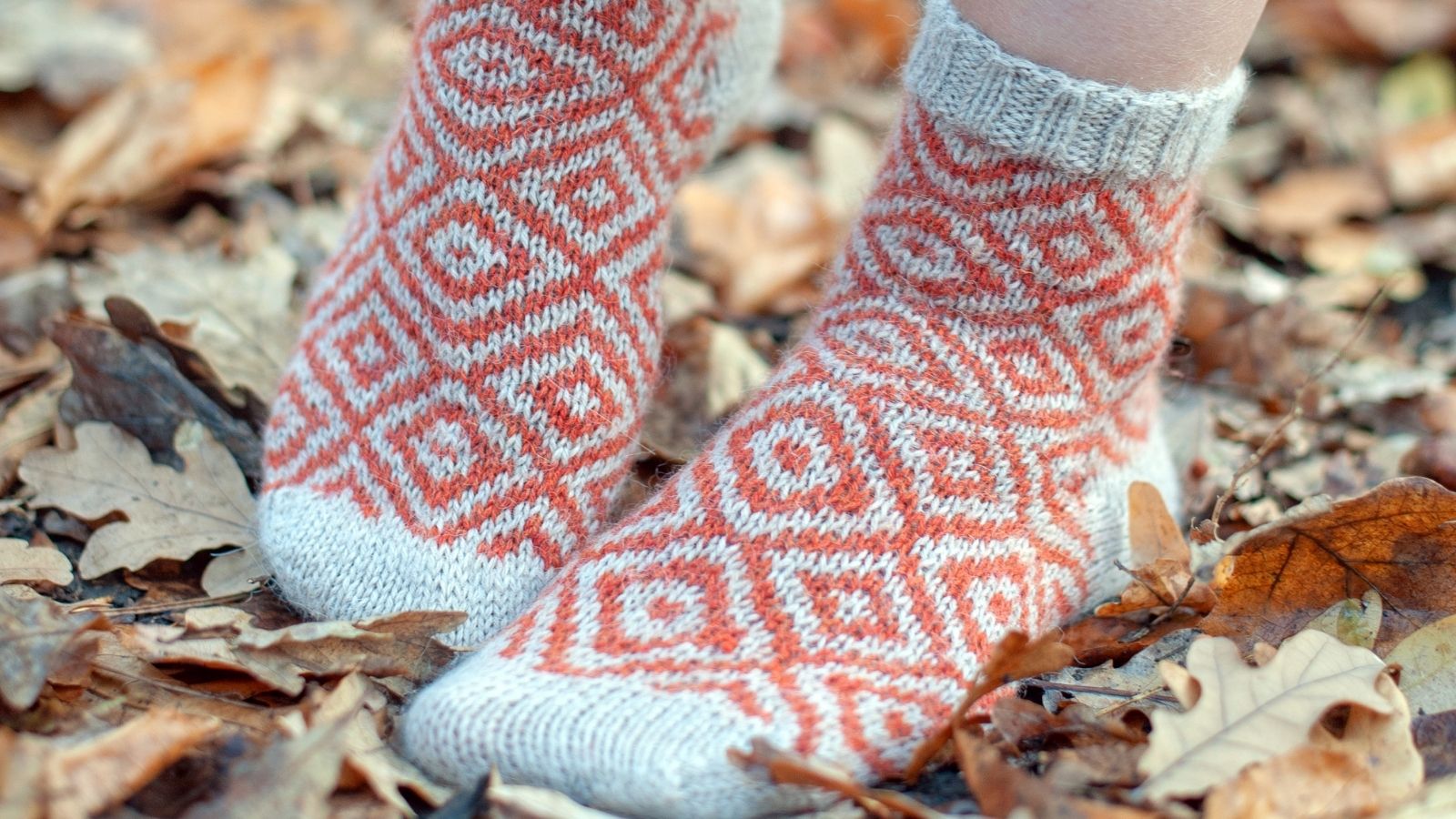
Types Of Socks (To Keep Your Tootsies Cozy)
Have you ever wondered how many different types of socks there are? Or when the first sock was created? Maybe not, but socks are an integral part of what we wear each day, and is often overlooked when thinking about garment design.
This is why today I’m going to share with you a little history of the humble sock, as well as a variety of socks available!
The Humble Sock…
Is an item of clothing that can be made from a variety of fibers. They are worn to keep feet warm, absorb moisture or protect the foot from chafing when wearing a shoe.
You might be surprised to know that the first evidence of socks being worn comes from 8th century BC Ancient Greece when they were known as piloi and made of matted animal hair. By the 2nd century AD, the Romans had begun using knitted fabrics to make socks, known as udones.
It was around 1,000AD when socks became more regularly worn, but they were considered a status symbol and only worn by the wealthy. The invention of the knitting machine in the 1500s saw sock production begin for the masses.
As with many inventions, socks were primarily about function: protecting the feet and maintaining good foot health. Those working outside were at risk of frostbite and indoor heating is a relatively modern invention. Socks provided people of all classes with a way to look after their feet and avoid potentially deadly illnesses.
Fibers To Make Socks From

Historically socks were made from natural fibers such as silk, cotton or wool. In 1938, the invention of nylon and the introduction of blended fabrics changed socks forever.
Modern socks are made from fibers such as cotton, wool, synthetics (including polyester and nylon), silk and bamboo. Bamboo is an ecologically-sound fiber. Silk is high end and considered more unusual.
Synthetic fibers are often added to cotton or wool to create mixed fibers, allowing them to be more easily laundered and creating more stretch in the sock.
And if socks are hand knitted, it’s possible that there will be some acrylic fibre thrown into the mix too.
How Socks Are Made
Socks are knitted using a circular pattern to create the tube structure, with the fibers used determined by the type, length and purpose of the end product. Modern knitting machines are computerized and the pattern for the sock is coded into the program.
Despite technological advances, there are many businesses and individuals that hand-knit socks and you’ll find numerous independent creators and sellers online.
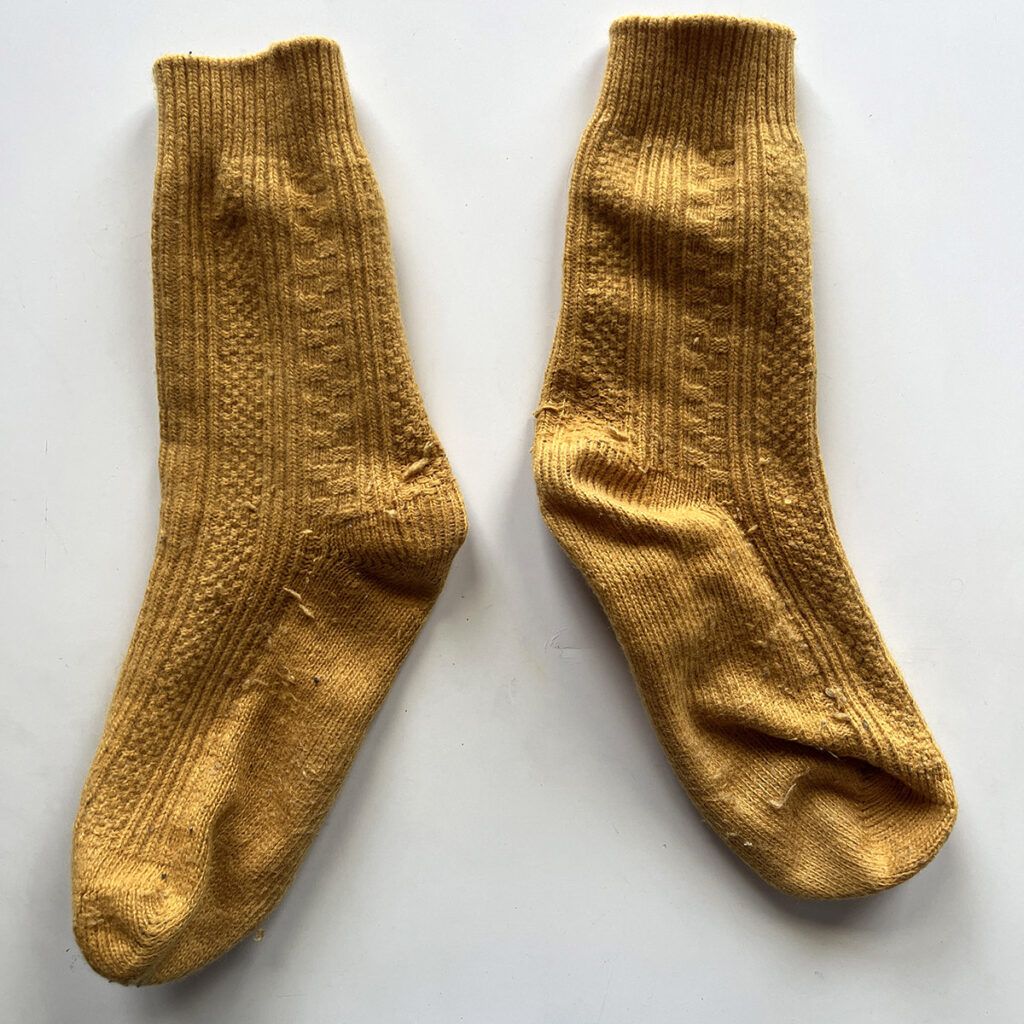
I have bought quite a few machine and hand knitted wool socks in my time, and they have lasted so well. I bring them out each winter – they’re made from wool – and then store them away in the spring to keep the moths at bay!
The Many & Varied Different Types Of Socks
Most socks can be made from a range of fibers, but the key differences in description come in the length and the purpose of the sock.
- Ankle
- Anklet
- Athletic
- Boot
- Calf
- Compression
- Crew
- Dress
- Executive
- Fishnet
- Hiking
- Invisible
- Knee-high
- Leg-warmer
- Liner
- Loose
- Low-cut
- Mute
- No-show
- Over-the-calf
- Ped
- Pop
- Quarter-length
- Running
- Split-toe
- Sports
- Tabi
- Tall
- Thigh-high
- Trainer
- Transparent
- Trouser
- Toe-cover
- Tube
As you can see from the above list, there are many different types of socks and I’ll talk you through some of the more popular ones now.
Ankle Sock

Sometimes known as quarter length or anklets, ankle socks sit just above the ankle bone.
They are shorter than calf socks and longer than trainer or liner socks. Ankle socks are popular as school socks and are a common choice when a fuller sock is needed but the weather is warmer, e.g. to wear under hiking boots or with trainers when playing sports.
Athletic/Sports Socks
Made specifically to withstand the demands of sports, athletic socks can be identified by their cushioning on the sole which helps with shock absorbance and comfort.
Athletic socks are usually made of wicking fibers, to draw moisture away from the feet and maintain comfort and good foot health. They are usually calf length.
Boot Sock
Often made of wool, boot socks are long socks that cover your leg inside your boot, and help to keep your leg warm and stop the boot from rubbing against your skin.
Compression Socks
Compression socks are worn for health reasons. They are below the knee in length, tight around the leg and designed to help with circulation. Fitting tightly around the ankles and decreasing in pressure as they rise up the calf, they help to reduce the risk of blood pooling in your feet.
I remember my Mum had to wear compression socks for a while several years ago to help with a medical condition she had.
Compression socks are helpful for people who sit for long periods or who stand in one position, such as office workers and those in the retail or hospitality industries. It is often recommended to wear compression socks when flying to help blood flow around your lower body when sitting in confined spaces for a long time. This also reduces the risk of deep vein thrombosis.
Crew Length Sock
In between the length of calf and ankle socks (about 6-8 inches), the length of a crew sock is popular as children’s and sports socks. Helping to keep the ankles protected from puddle splashes, insect bites and grazes when playing, crew socks are usually ribbed at the top to help them to stay pulled up the leg.
Hiking Socks

Usually worn to prevent chafing from hiking boots, hiking socks are calf-length and made from a wicking fiber to draw moisture away from the foot during your hike. They are usually a snug fit to prevent any chafing or blisters.
Invisible / No-show Sock

These are the socks that you can wear inside your slip-on or boat shoes and nobody will know! Known by either name, they sit below the line of your shoe and are usually lightweight to keep your feet cool and reduce sweating.
If you’ve seen A Star is Born (2018 version) there’s a character called ‘Rez’ (played by Rafi Gavron) and Bradley Cooper’s character ‘Jackson’ mocks him for wearing shoes without socks – but he’s actually wearing invisible socks. It’s an amusing scene!
Knee-High Sock

Also known as tall or trouser socks, knee high socks are worn as a patterned or highly colored fashion statement or inside long boots to prevent chafing.
They are also a key part of sports uniforms in schools and are often worn with the top band folded down under the knee.
Liner Socks
Liners are socks that are worn underneath a regular pair of socks. Also known as low cut or ped socks, they are usually made of a thin, breathable fiber and have an additional function from moisture-wicking hiking liners to compression sock liners that protect the outer sock from dirt, sweat and odor.
Loose Socks
Remember 1980s leg warmers? Now known as loose socks, these are footless and often knitted to keep the leg muscles warm. Favored by dancers and athletes, they’re making a comeback!
I’m quite tempted to make some for the coming winter – what do you think, should I give them a go?
Over-The-Calf / Executive Socks
Sometimes called calf sock, calf-length or calf-high socks, these rise to the top of the calf muscle. These are more popular with men as everyday socks, and they are often made of higher quality fibers such as a silk or wool blend.
Running Socks

Good quality running socks are a vital part of a runner’s equipment. Designed for comfort, support and to enhance performance by increasing ventilation, they are made of a wicking fiber and provide cushioning and support to the foot and lower leg.
Running socks vary in length from invisible to knee height and are available in a range of fibers and thicknesses. You can also buy compression running socks, blister-prevention socks or waterproof running socks.
Split-Toe Socks


Back in the 15th century, split-toe socks were known as tabi socks and were designed to be worn with thonged sandals. These have the big toe separated with the other toes in one space together.
Thigh-High Socks
Thigh-high socks offer versatility to women wearing dresses or skirts, particularly in cooler weather, providing protection without needing to opt for pantyhose. As with knee-high socks, thigh high socks are popular in bold prints and thicker fabrics.
Toe-Cover / Mute Sock
A toe cover or mute is a sock that covers the toes and the forepart of the foot. Often worn to create an additional layer between the toes and the front of the shoe, toe covers are popular with bikers and cyclists to help keep their toes warm. A thinner version is often worn with closed-toe shoes, slip-ons or moccasins.
Toe Sock
Toe socks are similar to gloves in having individual spaces for each toe. A modern version of the split-toe sock, toe socks often come in vibrant colors and are favored for activities such as Pilates and running, where the additional sensory feedback is of benefit.
Transparent Socks
Sometimes called pop socks, these are thin socks made from the same nylon fabric as pantyhose. Anything between liner length to knee height, they are designed to be worn under long skirts or trousers in place of pantyhose.
Tube Socks
Created in the 1960s by the Nelson Knitting Company in response to basketball players wanting a longer sock with a cushioned fiber, tube socks get their name from being tube-shaped rather than anatomically-shaped. They are usually one size fits all.
Choosing A Sock Type
There are several reasons why you might choose one type of sock over another. Here are a few below.
Activity
As I’ve already outlined, there are specialist socks available for a wide variety of activities. From running to office wear, basketball to dress shoes, high heels to boat shoes. It’s important to find the type of sock that will suit the activity and the footwear that you are wearing for that activity.
Fiber Content
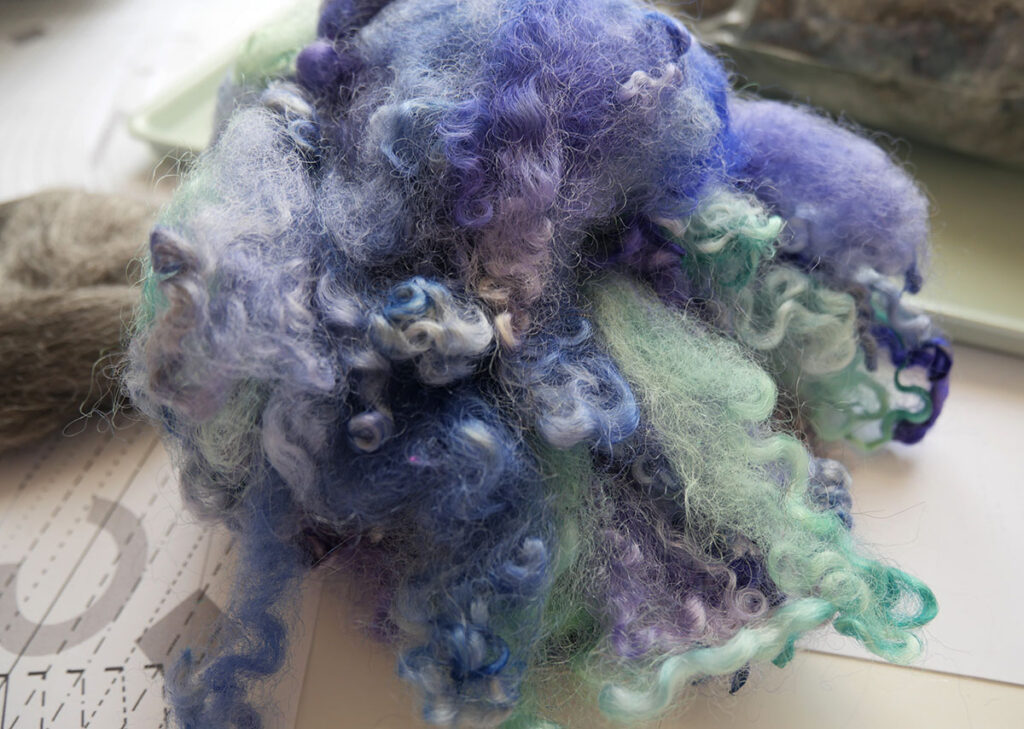
Socks come in a wide range of fibers and it’s important to find the fiber and thickness that you want. Foot health is also a factor when choosing the fiber content of your socks, especially if your feet tend to sweat a lot!
Fiber choices include:
- Alpaca: warm, lightweight, water-resistant, expensive but fabulous for winter
- Bamboo rayon: breathable, hypoallergenic, antimicrobial, durable
- Cashmere: warm, lightweight, luxurious, often used for dress socks
- Cotton: strong, soft, stretchy
- Modal: soft, strong, durable, popular for no-show socks
- Polyester: dries quickly but retains color, not breathable, usually used as a mix
- Silk: natural, light, stretchy, not durable
- Wool: durable, wrinkle-resistant, absorbent
As I mentioned earlier, sometimes the function of the sock will dictate the fiber content, such as athletic socks being made with a suitable fiber to wick moisture away from the foot during sports. At other times, personal preference will drive the choice.
Preferred Length
The range of sock lengths goes from toe covers to thigh-high, so there’s something for everyone! Remember it’s important for some footwear (hiking boots, dress shoes, and more) to choose the right sock length, whereas with others the length is less of an issue than the fiber content.
Right, that’s it for me on socks. Unless you’d like to see some ideas for creating your own socks? I know there was a request on a previous YouTube post of mine to show how to sew men’s socks from non-stretch natural fabrics, but are there other sock related blog posts you’d like to see? Let me know in the comments!
In the meantime, I have a lot of other posts on garment types to inspire your next project!