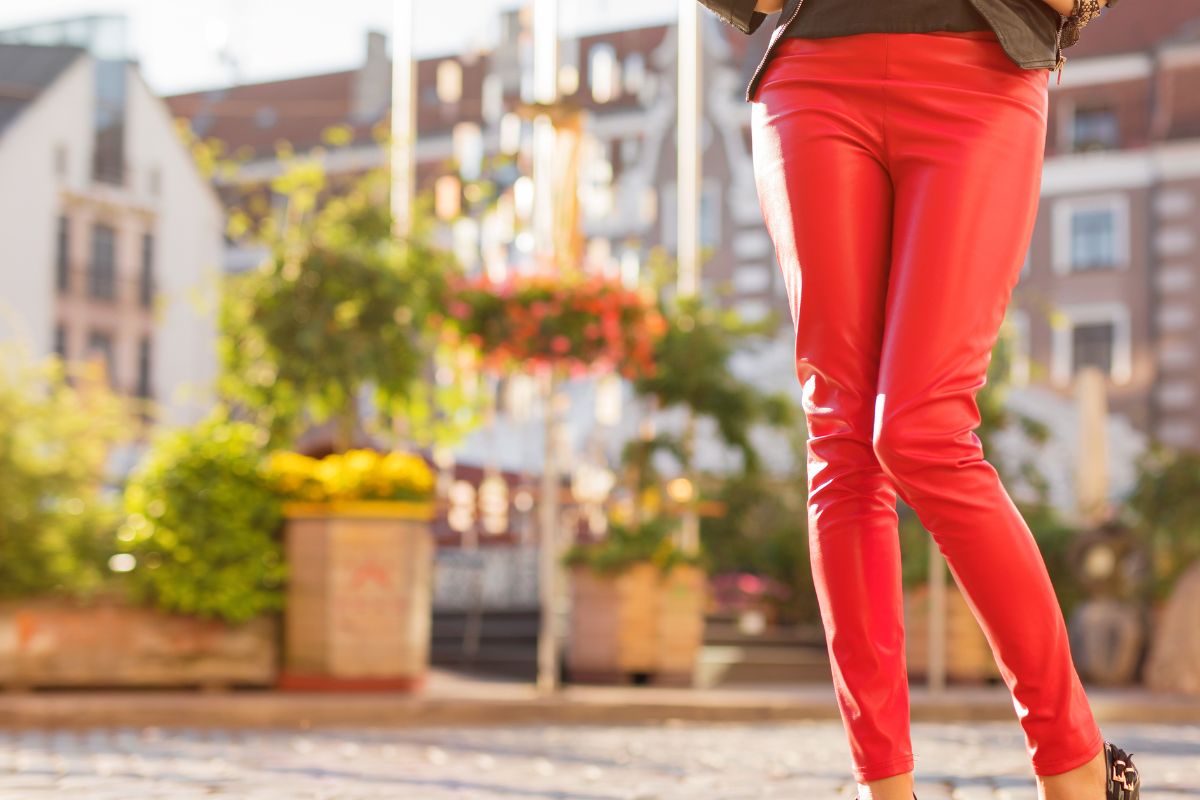
Street Wear Style
I like to think of street wear style as that friend we’ve all had, the one who shows up to everything looking ‘cool’ without even trying. They never follow any fashion rules, instead they dress for their own comfort and individualism.
I like to think I too have a ‘street wear style’ about me, but the truth is, I don’t. At least, not any more! When I was a fashion student? Absolutely! I used to get called ‘Evie Diva’ because of what I wore, often with insane heels my feet were clad in, whilst cycling. Oh, to be young and cool again!
Street wear style has its roots in urban culture, growing out of urban subcultures like hip hop and is constantly evolving with art and music being heavy influences. It is one of the most appreciated fashion styles around the world as well as being one of the easiest styles to ‘pull off’.
It is also one of the key styles that trend forecasters like WGSN monitor to pick up on new variations that are then incorporated into trend forecasting reports for fashion and lifestyle brands.
Today, we’re going to take a peek at this style of fashion, from its historical origins through to some current day fashion icons!
Street Style Fashion
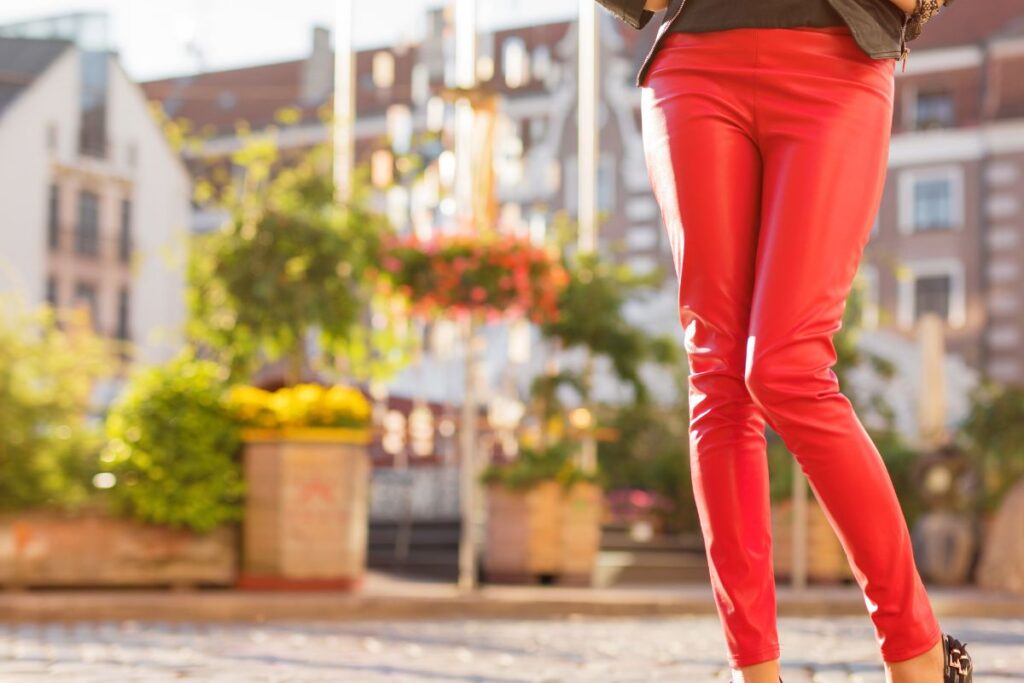
Street style fashion is the term used to refer to fashion style that emerges from the streets rather than being dictated by high-end designers and fashion brands.
It is the personal style most often associated with youth culture and subcultures, as it reflects the dynamic and diverse expressions of self, through clothing and accessories. Street style is seen as edgy, individual, and a way to push boundaries in personal style.
The Origins Of Street Wear Style
Said to be ‘one of the most significant influences on designers in the second half of the 20th century’ (Georgina O’Hara Callan / Dictionary of Fashion and Fashion Designers) street style fashion really began right after the end of World War 2, and the first recorded instances of this style came from the streets of the U.K.
What makes street fashion distinct from other styles is where it originated from – the grassroots of youth culture, which is not restricted to a specific aesthetic but instead is a melting pot of different cultures all rolled into one.
One of the biggest contributions to the creation of street style fashion was necessity and practicality. After the end of World War II, economies around the globe were still reeling from the effects of the war, and resources were scarce.
Younger generations of the time were more able to express themselves by creating a style that strayed away from what was considered to be the current trend in the fashion industry and in its place a colorful mishmash of personalities and styles from the youth emerged.
During the 1970s and 1980s, as a response to the mainstream fashion industry and its exclusive nature, street style really took off in urban centers like New York City, London, and Tokyo, where the more diverse subcultures and youth movements really began to influence fashion trends.
Subcultures such as punk, hip hop, and grunge all played a significant role in helping to shape street fashion with these movements rebelling against the established conventions of the fashion world, and instead choosing to opt for non-conformity and self-expression.
I’ve previously written about punk style which exploded in the UK back in the 1970s and incorporated plenty of torn clothing, a leather jacket, boots and unconventional accessories. Something similar happened with hip hop in the 1980s which spewed forth baggy pants, oversized t-shirts, sneakers, and plenty of gold jewelry. These all became essential elements of street style fashion.
As this fashion style gained momentum, it started to be documented by photographers – with the resulting photography style being named ‘street photography’ – and started to be showcased in magazines and other publications such as ‘i-D’ and ‘The Face’ which further popularized the concept.
Today, street style fashion continues to evolve and be influenced by various subcultures, social media, and the never ending interplay between the fashion industry and streetwear brands.
One final angle of street style that we need to consider is Fashion Week, and the impact this has had on the awareness of street style fashion.
It is one of the most recognized events in the fashion industry that actually lasts an entire month – and is held twice per year! – with the main weeks being held in New York, London, Milan and Paris, and used to showcase designers and their new collections.
This is also where street style can take center stage, with many a passersby or street style photographers focusing on what is worn off the catwalk rather than on it.
The Evolution Of Street Style
Street style has always been a part of counterculture groups as it emphasizes an alternative to the mainstream. Streetwear fashion elements come from specific ideals and cultures to provide the same freedom of expression that the origins of the style allowed for, back in the 1950s. So it is impossible to pinpoint one concrete and primary example of street style as it has always been extremely malleable, adapting to the current socio-political climate of its time.
However, one rather momentous moment in its history can be seen in Japan during the 1980s and 1990s when Japanese street fashion started to take off. Japanese society has always been steeped in tradition, so the sudden embrace of Japanese youth towards Western-style fashion came as a bit of a shock and it was a way for Gen X and millennial Japanese to rebel against the archaic Japanese mentality as the younger generations moved further towards freedom of self-expression.
In street fashion, people have drawn inspiration from a variety of sources, including:
- Art
- Music
- Popular culture
- Their environment
It is a democratic form of fashion allowing individuals to create their own unique look by mixing and matching different pieces and incorporating both new and vintage items, rather than worrying about the latest (or next) fashion trend. It celebrates diversity and encourages people to showcase their personal taste and creativity through fashion, breaking away from traditional fashion norms and embracing a more authentic and individualistic approach.
Whether it’s through bold colors, statement accessories, or unexpected combinations, street style fashion serves as a visual representation of one’s personality and attitude, making it a captivating and ever-evolving aspect of contemporary fashion culture.
Main Elements Of Street Fashion
While street fashion is quite flexible when it comes to its overall aesthetic, there are some elements that are always present regarding the ‘look’. Here are three key pieces that are the most common fixture in street wear style.
T-shirts
A must-have item, every variety of t-shirt is worn, from colored to printed, fit or loose, a t-shirt is considered a crucial element in streetwear.
Jeans or joggers
Casual tops and casual bottoms. Classic jeans and joggers will always work for this style but you could also opt for a wide variety of jeans or joggers such as denim, baggy, tapered, skinny, leggings, and even denim shorts. It’s all in how you wear it after all.
Sneakers
The cherry on top, or should I say, the bottom of the streetwear cake. Ha ha! They are comfortable and stylish and will complete your overall look. In fact, even wearing casual tops and bottoms, the style points get a massive pop if you have flashy kicks.
Personal Style
The main thing to remember when putting together your own street style look is to not follow the trends. Throw a few pieces on, adjust, accessorize and remember that this fashion style isn’t about conforming to what is expected but bucking the trends and wearing what you want to wear, in the way that you want to wear it.
I think that is the best street style, whether that’s pairing a vintage haute couture dress with a gray hoodie and your favorite pair of Doc Martens or something a little less elaborate – if it works for you, and isn’t the general style everyone else is wearing, I think it’s safe to call it ‘street style’.
Street Style Icons
Street fashion is a team effort, which can be seen in the number of icons and pioneers who contributed to elevating this style.
Dapper Dan
Dapper Dan is an African-American fashion designer who was pivotal in building streetwear clothing in the 1980s. His creativity and hip-hop-inspired collections were generally rejected by the top luxury designer brands and yet were embraced by the youth.
Hiroshi Fujiwara
A famous Japanese musician and designer, Hiroshi Fujiwara, introduced the “Ura-Harajuku” fashion and is known to be one of the most influential fashion designers for streetwear. He has worked with Nike for their HTM line and Levis with the Fenom line.
James Jebbia
As the founder of the skateboarding apparel brand Supreme, James Jebbia is at the forefront of modern streetwear fashion. His brand has garnered an enormous following around the world.
Shawn Stussy
From skater to surfer fashion, the counterpart of Supreme is, without a doubt, the surf brand Stussy. Founded by Shawn Stussy in the 1980s, the clothing brand has also built a reputation within the street fashion industry.
Rihanna
If there is one thing about Rihanna’s street-style fashion that we can all agree on, it is that her approach is never one about subtlety. Every small detail of a look adds to its overall effect, and Rihanna for one knows how to make every element of her wardrobe count.
Zendaya
Despite her youth, Zendaya has shown to be a pretty talented young woman with a great fashion sense – if you ask me! She can often be seen wearing street fashion with the young actor preferring to hit the town wearing a simple t-shirt, jeans, and sneakers – a far cry from her elegant and visually stunning red carpet outfits.
Other Fashion Styles
Whether street wear style is your thing or not, as a fashion designer, you do need to be aware of it, as it influences fashion trends every season.
I have also covered other fashion styles and trends here in case you want to brush up on your knowledge before starting to design a new collection!