Fashion Styles 101
Without being aware of it, we all have our own distinct way of dressing and this can be described as having our own sense of personal style. For some, this style is an amalgamation of the different fashion styles that they have seen and been influenced by over many years, and for others they are more inclined to stick to one particular fashion style and rarely deviate from it.
But what are the different types of fashion styles? When did they come ‘into fashion’ and why are some still popular today while others have disappeared into obscurity?
(Hint: it was a trend, not a style!)
What Are Fashion Styles?
Fashion styles are a way for an individual person (or group of people for that matter) to express themselves aesthetically through the combination of clothes, footwear, hairstyle, and accessories. Some factors, such as the season, culture, and social status will also affect fashion styles, but everyone has their own unique style which is typically based on a main fashion style – and many exist.
It is said that you can tell a lot about a person based on their fashion style, as the combination of apparel, accessories, and clothing can evoke specific emotions and vibes. So next time you’re sat at a cafe people-watching, take the time to have a look at each passerby and assess what you consider their dressing style to be.
What Is The Difference Between Fashion Styles And Fashion Trends?
You might have heard about fashion trends, but did you know that it is different from fashion styles? While both are sometimes considered interchangeable, a prominent line divides the two.
Fashion style can be regarded as timeless and has cemented itself as a core foundation of the fashion world. There are several fashion styles out there that maintain their standing in the industry, no matter the year. It’s more the overall aesthetic that is the style, like punk or androgynous fashion styles.
As for fashion trends, it refers to what is popular at a given point in time. Sometimes, a fashion trend can ascend to being a fashion style itself. However, in most cases, trends tend to taper off and fade into obscurity over time.
A great example of a fashion trend are flappers. Prominent in the 1920s, flapper dresses are now only worn as ‘costumes’ for events (which would make them part of the Cosplay style) or as a micro-trend every other decade when fashion designers run out of inspiration. For this reason, they are not listed here as a fashion style, but I will include them in my next article on fashion trends.
What Are The Different Fashion Styles?
Throughout history, societies from different cultures created fashion styles that showcase characteristics and qualities that reflect a wide range of ‘spirit’ and personality. I’ll list the various fashion styles that are still prominent today and show how an innovative and creative mind can craft a style that will surpass the test of time.
Androgynous
The first recorded instances of people sporting androgynous style were during 1700 in England and France. While gender-specific fashion wear is still the norm today, androgynous style is becoming more acceptable in today’s society. The word ‘androgynous’ comes from the Latin word’ androgyne,’ which means a mixture of masculine and feminine characteristics.
Aristocrats initially created this fashion style during the Age of Enlightenment to stand out aesthetically from the crowd. Also known as unisex clothing, androgynous fashion style focuses on avoiding masculine and feminine norms and highlighting gender-neutral and gender-inclusive fashion styles that individuals can wear to express themselves.
By the 21st century (specifically right now) androgynous fashion style is gaining massive popularity in modern culture. Some of the most popular celebrities and fashion icons that heavily incorporated this style include Lady Gaga, Prince, David Bowie, Boy George, Tilda Swinton, and Ruby Rose.
Bohemian
Bohemian, or boho fashion, is often associated with the hippie movement in the 60s and 70s. Flowy, unstructured silhouettes, retro patterns and designs, open-toed sandals, and oversized shades define it. Bohemian style revolves around a free-flowing look that may represent the free-thinking mentality of the hippie movement.
As for when the bohemian style first appeared, experts have debated the specific period, but most point toward the end of the French Revolution during the late 1700s to early 1800s. During this time, Europe was plagued mainly by poverty, and artists resorted to wearing loose, worn-out clothing. However, what started as a choice out of necessity and practicality transformed into a counterculture lifestyle that promoted individualism over materialistic gratification.
Modern bohemian style is called ‘boho chic’ and incorporates peasant-style voluminous clothing, slouchy footwear, floppy hats, and the staple oversized shades/sunglasses. Celebrities who further helped to popularize the bohemian style include the Olsen twins, Sienna Miller, Gigi Hadid, Kristen Dunst, Reese Witherspoon, and Blake Lively.
Classic Style
When we say someone has a classic style, we’re referring to their wearing of clothing that is made in neutral colors in the more traditional styles. These items are often made from higher quality materials and usually have a price point to reflect it.
That’s not to say that you cannot achieve the classic style from lower priced clothing items: Burberry’s classic blue mens trench coat is one example of classic style at the higher end, and this style has been copied the world over by fast fashion houses.
The difference between them would be Burberry using the classic cotton gabardine in their trench coats while fast fashion brands will use cheaper materials, like 100% polyester or perhaps a poly-cotton blend.
You can easily identify the ‘classic style’ out and about – it is timeless. You can look at the person’s outfit and see it fitting in throughout the decades past and into the future too.
Cosplay
Cosplay, a wonderful portmanteau of the words costume and play, originated in Japan in 1984. Cosplay was initially a performance art wherein participants would dress up as their favorite anime, videogame, movie, or pop culture fictional character at conventions. This subculture was a niche in the 90s and early 2000s but has gained mainstream popularity during the last couple of years and has elevated into an accepted fashion style worldwide.
Cosplay is a term coined in Japan but steadily spread across Asia and even the Western world. A lot of pop culture conventions will hold cosplay competitions and you are guaranteed that most who attend these special conventions will participate in cosplay in one form or another.
One thing about cosplay that separates it from other fashion styles is that it doesn’t incorporate any signature look. In fact, you can say that this is an extremely versatile fashion style as it solely focuses on capturing the look of specific fictional characters.
As the wardrobe selection branches out all over the place, cosplay can be seen at conventions and in day-to-day activities. The overall look of cosplay can also be simple, casual, formal, classy, and extravagant.
Some of the world’s most well-known cosplayers who helped push the cosplay subculture into the spotlight include Alodia Gosiengfiao, Jessica Nigri, Stella Chuu, and Myrtle Sarrosa.
Garconne
The Garonne style takes inspiration from 1920s art deco and features a more boyish charm, focusing on exuding a slender or svelte look and the famous short bob hairstyles of women from that era.
Nowadays, the garconne fashion style is basically executing the ‘gentlewoman’ look. The garconne style evokes a blend of masculinity without usurping the feminine charm.
Modern garconne style typically incorporates blazers, pants, and shirts – all of which are slightly loose. Color choices tend to stay within the neutral spectrum, and the goal is to create a professional vibe. The garconne style is quite popular with the modern working woman.
Celebrities who nail the garconne style include Tilda Swinton, Sofia Coppola, and Stella Tennant.
Girl-Next-Door
This fashion style has been around far longer before it ever had a name. The girl-next-door style personifies the “all-American” female archetype. Aesthetically, the girl-next-door typically features traditional simplicity and natural charm. It is all about crafting an effortless beauty while incorporating gender norm attire.
You can also define the girl-next-door look as a charming and quirky style. Regarding aesthetics, you can wear the girl-next-door look by focusing on feminine clothes and accessories. Go with relaxing pastel colors, ruffles, laces, and floral patterns. For footwear options, sneakers are the way to go.
This timeless fashion style started in the 1930s, and while it has evolved throughout the years, it still managed to retain its core spirit. Zooey Deschanel, Emma Stone, Natalie Dyer, and Sandra Bullock are some of the most popular celebrities that exude that classic girl-next-door charm.
Goth
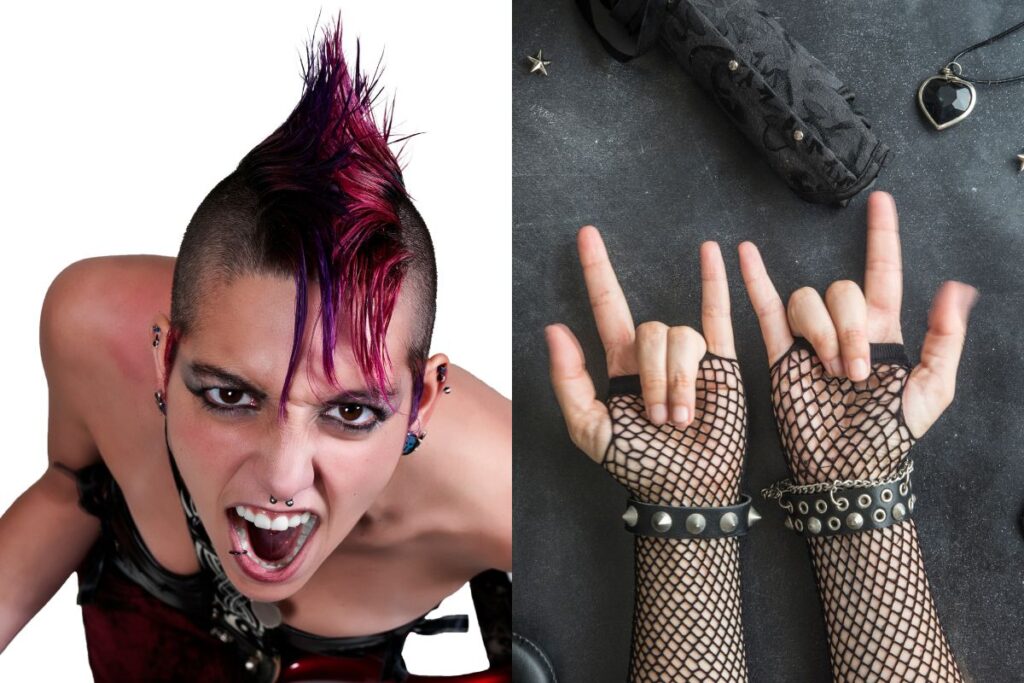
Gothic fashion is all about dark and gloomy colors, Victorian-era-inspired clothing, and accessories. Brooding is the name of the game with this particular fashion style that has steadily grown out of its niche origins and into a more mainstream platform. Other notable elements of the goth style include exotic hairstyles, dark lipstick, and dyed black hair.
Goth fashion began in the early 1980s and is considered a subgenre of the punk fashion movement. If you combine the rebellious spirit of punk and infuse it with a dark and mysterious aesthetic, you get gothic fashion. Traditional mourning garments actually inspired the Gothic style during the Victorian era.
Goth fashion has an eerie, intentional vibe – hence, the fixation with all-black attire. Another aspect taken from the Victorian era that inspired the gothic style is the beauty standard of that period, which is about as pale as the moon skin, tight corsets, and flowing dresses that evoke an almost ghostly or ethereal presence.
Goth fashion icons that molded this subculture include Theda Bara, Musidora, Siouxsie Sioux (Siouxsie and the Banshees), Robert Smith (The Cure), and Yolandi (Die Antwoord).
Grunge
Grunge fashion style was born in the mid-80s at the birth of grunge music in Seattle. Popularized by bands like Nirvana and Pearl Jam, the grunge style evokes the “IDGAF” and against-the-flow attitude. Grunge style can also be described as androgynous as there is no gender divide regarding what clothes should be worn by either sex.
The grunge look is achieved by aiming for the disheveled look. Similar to punk, grunge fashion mainly consists of second-hand clothes. However, two particular clothing items that have become synonymous with this style are the plaid flannel shirt and ripped faded jeans. The grunge style also focuses on de-emphasizing the figure.
If you want to capture that grunge look for yourself, you should go with plain shirts, baggy faded jean pants (either ripped or not), oversized zip-up hoodies, and combat boots. As noted earlier, bands like Nirvana, Pearl Jam, and Alice in Chains encapsulate the grunge look, so base your style ideas on those legendary bands.
Hipster
When I was at fashion school studying for my bachelors, I was surrounded by younger students who thought themselves hipsters. I would argue that it is a fashion trend more than a fashion style, but alas, others think differently (even though the Hipster fashion ‘look’ has evolved over time in the way trends do).
Your typical hipster will be seen wearing skinny pants. This could be skinny jeans or any other form of pants that is cut close to their legs. They’ll don shirts to accompany their skinny pants, and the men may well be spotted wearing braces and growing a neat, tidy beard.
Most importantly of all, the hipster loves music and shades. They do not need to look cool, they *are* cool.
Kawaii
Kawaii means “cute” in Japanese and has subcultures with a somewhat familiar yet highly distinct appeal. In general, kawaii fashion is about creating a super cute, charming, and childlike innocence with one’s appearance.
Clothes that are typically associated with kawaii fashion include those that have eye-catching motifs and bold colors. For example, pairing a bouffant skirt and a sweater that utilizes bow accessories encapsulates that playful and charming aesthetic.
Like I said earlier, though, kawaii style is simply the main trunk of the fashion tree; it has numerous branches, all with distinct characteristics while maintaining that “cute” appeal. Some of the most well-known in this particular fashion scene include Misako Aoki and identical twin fashion designers Ami and Aya.
Lagenlook
Ah, the lagenlook. This is a common style where I currently live in Europe, but it is a fashion style that confounds me.
At its very basic, lagenlook is layering. And quite a few layers at one time. However, the layers are created from a variety of natural fibers – cotton, linen and silk are commonly worn – and often in a one-size fits all fashion.
There is no figure hugging aspect to the lagenlook fashion style. You might wear a cotton tank, under a cocoon shaped linen tunic with a pair of loose fit linen pants. It’s all about the layers and loose flowing, chilled out vibe.
Lolita
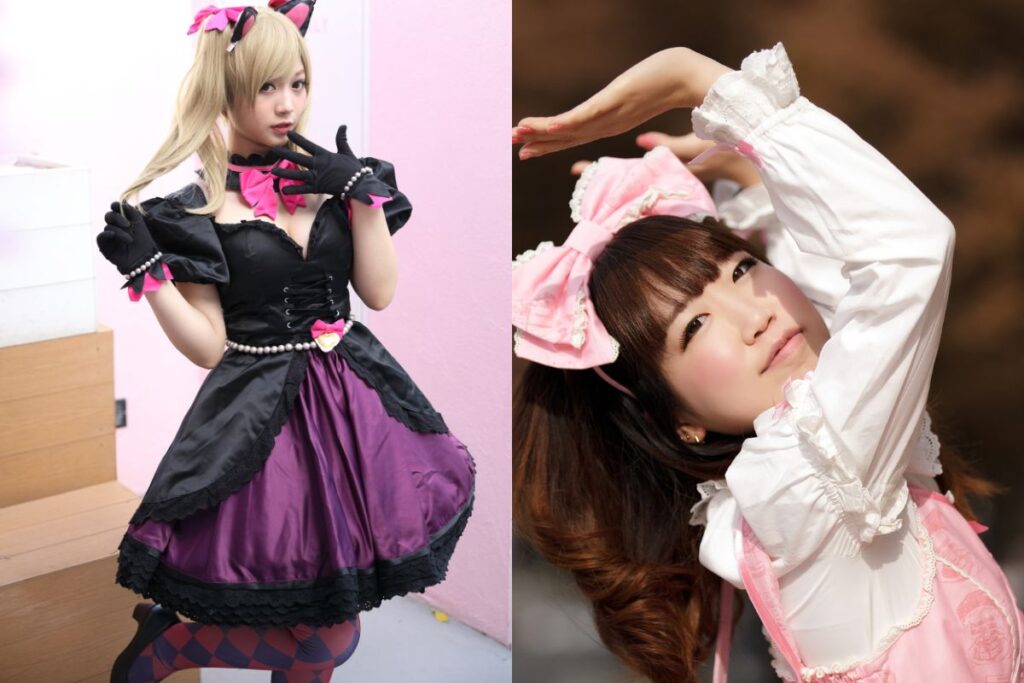
Originating from Japan, there are now many sub-categories that have evolved out of the traditional Lolita style, but the original Lolita fashion style was inspired by those old Victorian dolls and features clothing full of lace, frills, ruffles and a general abundance of girliness or feminine style.
I actually had a great book that I used for a fashion collection at fashion school which was full of photos of punk lolita style icons. If I can find it, I’ll add a link to where it is so that you can check it out for yourself. It was very inspiring.
Mod
Mod fashion is short for modernist and initially became popular in the 1950s London nightlife scene. Originally popular with young men in the 50s, mod fashion is inspired by modern jazz and classic Italian look. Besides slim-fit suits, mod fashion style requires a little something extra to complete the overall vibe. Most mod fashionistas at the time drove classic Italian scooters such as a Vespa.
Evolving from a niche trend to a worldwide subculture, mod fashion can be seen in night cafes and Jazz clubs. While mod fashion made its humble beginnings in London – Mary Quant was a London based Mod – it quickly spread throughout the UK. Eventually, it started becoming a popular style worldwide, albeit on a smaller scale.
Mod fashion typically incorporates slim-fit knitted polo shirt with a sharp pattern or stripe. For the bottom, tailor-suit trousers, colored socks, and penny loafers complete the core look. The proverbial icing on the cake is usually a blazer or bomber jacket. All in all, mod fashion certainly nails that sleek and snazzy look to the letter.
Mod fashion style pretty much went unchanged throughout the years. It fits right into the mod fashion style as long as it gives off the vibe of the 60s jazz scene. At its center, mod fashion is never about designer labels but rather about capturing the spirit of the modern jazz scene.
Nerdy/Geeky
What was once considered unpopular has finally broken through the mainstream and is now often considered hip and cool. I am, of course, talking about the nerdy and geeky look. Nailing this look is pretty simple, as it usually consists of themed shirts and the signature thick-rimmed glasses. Unlike cosplay, the nerdy/geeky style subtly shows off one’s fandom. Beanies are also typically incorporated into this fashion style.
Parisian Style
Not to be confused with French style – the two are different don’t you know! – Parisian style has an effortlessness to it. Anyone seen in Paris, looking very chic and sophisticated but in a minimal effort way could be said to be wearing Parisian style clothing.
The style is not dissimilar to the classic fashion style – in my opinion – but it is jazzed up with one statement piece to add the pizzazz and ‘oh I just threw this on before running out the door’ look.
That one piece could be a statement jacket or scarf, a pair of sunglasses or amazing shoes, but the outfit in general is basic but ‘leveled up’ with this one statement piece.
Preppy
Ah, the preppy style. This clothing style has been around for a while, and will no doubt always have a place in the world.
If you’re planning on rocking the preppy look, you’ll need to be wearing a blazer, a button down shirt and a vest or sweater over the top. If you really want to nail the look, make sure the vest or sweater has an argyle pattern to it!
On your lower half can be pleated skirts or perhaps trousers – I’ve rocked the look myself with both skinny pants and wide leg ones – but your shoes should be flat. I go with the patent loafer look, but boat shoes are also popular.
The great thing about preppy fashion is that it is not just for mens fashion, but can be worn by anyone no matter your age, body type, size or gender. I’m sure I’ll be rocking the preppy look way into my old age, because it’s timeless and comfortable.
Punk

Punk is more of a movement or a lifestyle than anything. That said, this subculture of misfits does have a signature look and style. While it can be debated as to when punk was born, there is no denying that The Sex Pistols, and specifically, designer Vivienne Westwood in the 1970s London underground scene, gave punk a voice and a look that it still maintains to this day. Despite never really being considered mainstream fashion, punk’s passion allowed it to be the beacon for outcasts the world over.
When it comes to fashion, punk is all about bringing out that rebellious spirit front and center. The punk look throws the rulebook out the window and hammers its non-conformity message into the pavement. The main vibe of punk fashion is freedom, individualism, and a dose of aggression. Pushing the non-consumerist statement envelope further, punk fashion style will depend heavily on second-hand clothing and mixing and matching what’s on hand.
Of course, with the explosion in popularity of punk around the world, it is only natural that punk-inspired clothing becomes more accessible and commercialized. As a result, finding punk-themed clothes and accessories is considerably easier now than it was during the early stages of the movement.
Punk icons that elevated the lifestyle to new heights also take the aesthetic side of things to their spiked hearts. Some of the most well-known punk icons include The Ramones, The Sex Pistols, Brody Dalle, Taylor Momsen (The Pretty Reckless), and Vivienne Westwood.
Rocker Chick
Rocker chick and punk styles are often mistaken for one another. However, ask any rock and punk fan, and they will explain in great detail how rocker and punk are entirely different. If we are talking about appearance, rocker chick (as with the masculine version of this style) is all about leather.
Rocker chick fashion is a blend of liberating and risqué styles. A familiar look for this fashion style will include leather or faux leather clothing, sequins, and many, many studs. Black is also the only color choice for this style. Rocker chick styles cover the aesthetic side and the lifestyle – like punk, so I guess the two fashion subcultures have some similarities after all.
Rocker style is one of those fashions that never really needed to change over the years. Like rock music, rocker fashion is timeless and encompasses all age brackets. However, rocker chick and rocker fashion, in general, has remained unchanged since its explosion in the mid-1950s.
Rock fashion enjoys the presence of dozens of icons that not only tore the roof off with their music but also gave different generations of rock fans a ‘look’ that screams out their personalities. I will focus on the female icons, which is about the rocker chick style. Rock icons such as Joan Jett (Runaways), Doro Pesch (Warlock), Suzi Quatro, and Lzzy Hale (Halestorm).
Street Style
Ah, street style fashion, a style that also evolves over time, based upon current trends in the world, and mashes together a variety of other fashion styles to become its own.
Street style is the fashion style most associated with younger people. Those who are out on the streets, mixing and matching their different styles of clothing: hipster skinny jeans, a grunge-inspired plaid shirt and a baseball cap might be one street style look while another person could be wearing a lolita inspired shirt beneath a latex punk style corset with a pleated preppy skirt. Throw on some sneakers – or even heels – and you have two street style looks that are completely different.
There are some great websites that highlight street style around the world, and this is often used by fashion trend forecasting to ‘predict’ what might become the next fashion trend.
Vintage
The final fashion style on my list (because we’re not including trends!) is the vintage fashion style. This can be seen as one of two styles.
In the first we have people like me, who love to rummage around vintage shops, looking for pieces from years past. It might be a flight jacket from the late 80s, a Burberry trench from the 50s or even a 70s skirt in perfect condition albeit made from a nasty polyester. The point is that all of these pieces are vintage – to qualify they should be over 7 years old apparently! – and can be incorporated into an existing wardrobe of clothes.
I think of this ‘vintage style’ as being a ‘sustainable’ style, snatching up clothing from times past to prevent them going to landfill and being lost forever.
The second vintage style is the one where people buy and wear clothing that has a vintage look to it. One of my business friends – Grace from Chez Abbie Grace – actually makes custom designs that are inspired by vintage styles of clothing. She uses deadstock and vintage fabrics to make these custom pieces, and the design is definitely vintage, but the actual garment is brand new.
Phew. I hope you enjoyed this dive into the various fashion styles that still exist today. I know it always inspires me to think about the styles that have evolved over the years, and how I can incorporate elements into my own wardrobe for a more unique look.
If you enjoyed this, then do check out my recent article about punk fashion, and stay tuned for the upcoming fashion trends article too!